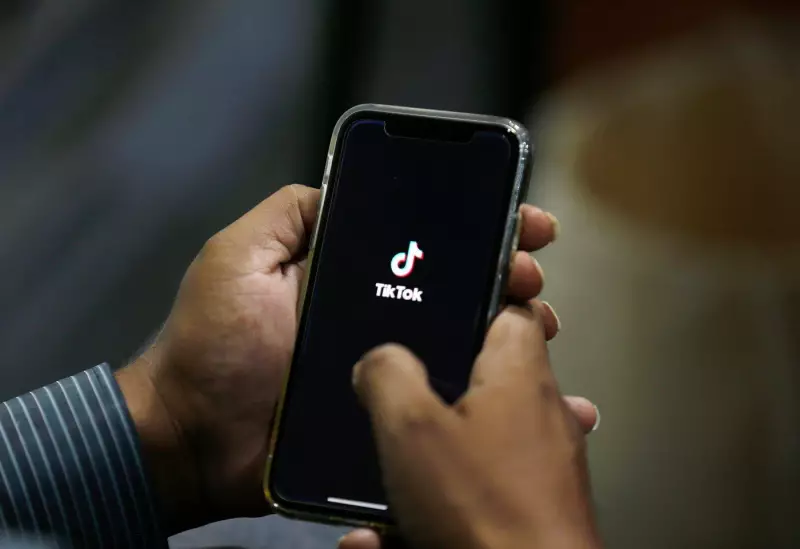
A consumer advocacy organization in Austria has launched a formal accusation against the social media giant TikTok, claiming the platform unlawfully tracked user activity on the dating app Grindr. The allegation, reported by AFP on December 17, 2025, centers on sophisticated cross-app monitoring practices that raise significant questions about user consent and data privacy.
The Core of the Allegation
The Austrian campaigners assert that TikTok employed tracking techniques that allowed it to monitor when and how users accessed the Grindr application on their devices. This type of surveillance, often facilitated by software development kits (SDKs) or other embedded code, can paint a detailed picture of a user's online behavior across different platforms without their explicit knowledge.
The complaint specifically labels this practice as "unlawful," suggesting a violation of European Union data protection regulations, notably the General Data Protection Regulation (GDPR). While the incident originated in Austria, it carries immediate implications for Canadian users, where similar privacy laws like the Consumer Privacy Protection Act (CPPA) govern digital data handling.

Broader Implications for Digital Privacy
This case highlights the ongoing and pervasive challenge of cross-app tracking in the mobile ecosystem. When apps can silently monitor activity on other parts of a user's phone, it undermines the fundamental principle of informed consent. For users of apps like Grindr, which cater to the LGBTQ+ community, such privacy intrusions are particularly sensitive and could potentially expose highly personal information.
The accusation against TikTok, one of the world's most popular social media platforms, underscores the power imbalance between tech behemoths and individual users. It also tests the enforcement capabilities of regulatory bodies tasked with protecting digital rights in an increasingly interconnected online world.
Potential Repercussions and User Action
If the Austrian group's claims are substantiated, TikTok could face significant regulatory scrutiny and potential fines under GDPR, which allows penalties of up to 4% of global annual turnover. The case may also inspire similar investigations by privacy commissioners in Canada and other jurisdictions.
For users concerned about such tracking, digital privacy experts routinely recommend several protective measures. These include regularly auditing app permissions on your device, limiting ad tracking features in your phone's settings, using privacy-focused browsers, and being selective about which apps you install and what permissions you grant them.
The outcome of this accusation will be closely watched as a bellwether for the enforcement of digital privacy laws against major technology platforms. It serves as a stark reminder for all users to be vigilant about the digital footprints they leave across applications.