Residents and commuters in Toronto have discovered that digital billboards installed at the city's busy Union Station Bus Terminal contain technology that could potentially record passersby, raising significant privacy concerns among the public.
The Discovery and Public Reaction
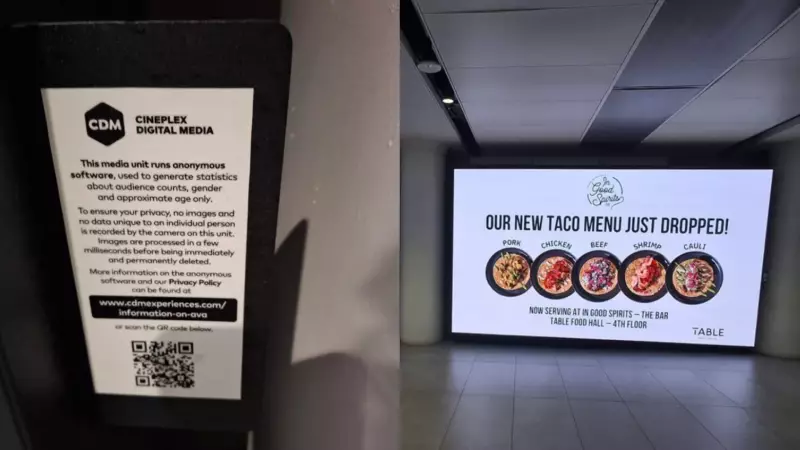
The revelation came to light when a Reddit user named Still_Value9499 shared images of the controversial advertising displays. The post showed two concerning elements: a poster detailing the sophisticated technology behind the billboard, and an image of the targeted advertisement itself. This discovery has sparked widespread discussion about privacy rights in public spaces.
These billboards have been operating for several years without widespread public awareness of their recording capabilities. The technology's presence at one of Toronto's busiest transportation hubs means thousands of commuters pass by these potentially recording devices daily.

Understanding the Billboard Technology
The advertising displays utilize advanced digital technology that goes beyond traditional static billboards. According to the documentation displayed alongside the ads, the systems incorporate sensors and data collection capabilities that could include audio and visual recording functions.
While the exact nature of data collection remains unclear, the technology appears designed to gather information about viewer demographics, engagement patterns, and potentially other behavioral data. The installation dates back multiple years, suggesting this technology has been operating in Toronto's public spaces for an extended period.
Privacy Implications and Public Concern
The discovery has raised important questions about surveillance in public areas and the boundaries of digital advertising. Privacy advocates express concern about the lack of clear disclosure regarding what data these billboards collect and how that information is used or stored.
Union Station serves as a critical transportation nexus for the Greater Toronto Area, meaning the potential reach of these recording-capable billboards extends across the entire region. Commuters who regularly use the bus terminal may have been subject to undisclosed data collection during their daily travels.
The timing of this discovery coincides with increased public awareness about digital privacy rights and growing scrutiny of surveillance technologies in urban environments. As cities become increasingly connected through smart technology, questions about consent and transparency in public spaces become more pressing.
Local authorities and the billboard operators have yet to release detailed statements about the specific capabilities of these advertising displays or the measures in place to protect public privacy. The situation highlights the ongoing tension between technological advancement and individual privacy rights in modern urban centers.