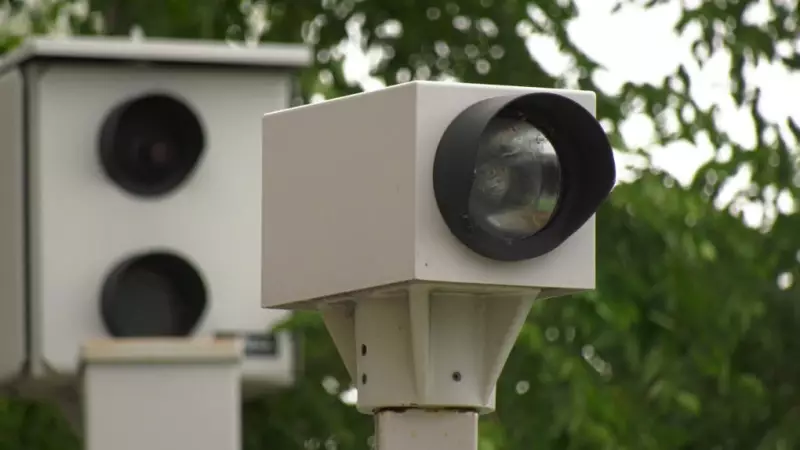
In a landmark decision for public privacy, British Columbia's Information and Privacy Commissioner has issued a forceful order to the City of Vancouver. The directive compels municipal authorities to dismantle a network of surveillance cameras and permanently delete all footage and data collected through them.
The Commissioner's Directive
The ruling, dated January 14, 2026, represents a significant intervention by the provincial privacy watchdog. The commissioner found that the city's use of the surveillance apparatus, which included traffic monitoring cameras, contravened key provisions of B.C.'s privacy legislation. The order is not a recommendation but a binding legal instruction.
Authorities must now undertake the physical removal of the cameras from public spaces. Furthermore, the city is required to securely erase all recorded video and any associated metadata gathered by the system. This process must be verifiable and compliant with data destruction standards to ensure no residual information remains.

Implications for Municipal Surveillance
This decision sets a powerful precedent for how municipalities in Canada can deploy monitoring technology in public areas. It underscores the principle that public safety initiatives must be carefully balanced against an individual's right to privacy. The ruling suggests the city's program lacked sufficient transparency, oversight, or a lawful basis for the degree of surveillance it enabled.
Privacy advocates are hailing the move as a crucial victory. They argue that unchecked public surveillance creates a “chilling effect” on civic life and can disproportionately impact certain communities. The commissioner's action reinforces that the collection of personal data, even in public spaces, is not without limits and requires strong justification and safeguards.
Next Steps and Broader Context
The City of Vancouver must now develop and execute a plan to comply with the order fully. Failure to do so could result in further legal consequences. This case will likely prompt other Canadian cities to proactively review their own use of similar technologies, including traffic cameras and other sensor networks, to ensure they align with privacy laws.
The decision arrives amid growing national and global concern over the expansion of surveillance technologies. It highlights the essential role of independent privacy commissioners in holding governments and institutions accountable. For residents, the ruling is a reminder of the legal protections in place to guard against overreach in the digital age.
As Vancouver works to dismantle the system, the focus will shift to how municipalities can achieve public safety and traffic management goals while rigorously respecting the privacy rights of every citizen.