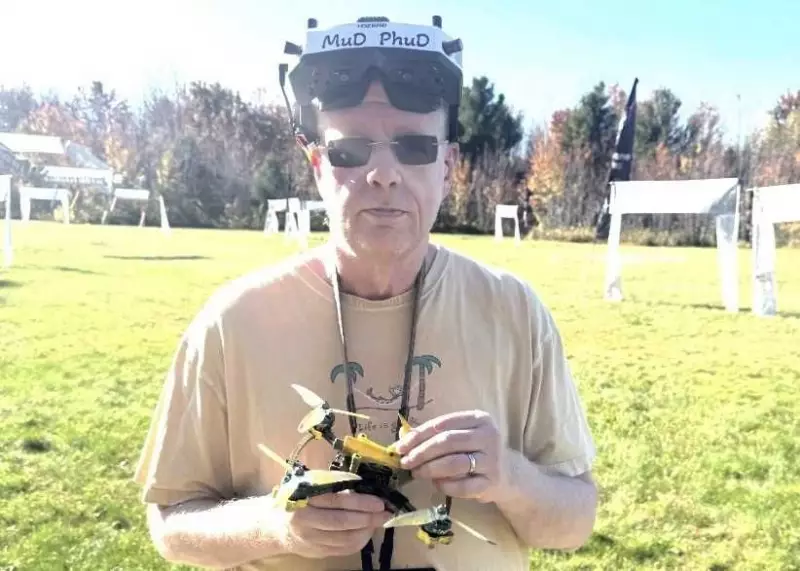
A Canadian doctor with a surprising past as an early hacker is now leading the charge to protect the nation's healthcare systems from devastating cyberattacks. Dr. Benoit Desjardins, a cardiovascular radiologist based at the University of Montreal, combines rare expertise in medicine, artificial intelligence, and digital security to address one of healthcare's most pressing modern vulnerabilities.
The Hacker Who Became a Healer
Long before he entered medical school, Dr. Desjardins was exploring computer networks. He was engaging in ethical hacking over a decade before the term became common, driven by a deep curiosity about how systems work and how they fail. This foundational experience in the digital world would lay the groundwork for his future mission.
After establishing himself as a world-class cardiovascular imaging specialist and serving as a professor at the University of Pennsylvania, Desjardins witnessed a digital crisis unfold. The WannaCry and NotPetya ransomware attacks in 2017 paralyzed hospitals across Europe and the United States, encrypting critical patient data, cancelling surgeries, and putting lives at direct risk.

"I saw the same vulnerability in medicine that I used to see in unpatched servers," Desjardins recalls. He realized that modern hospitals had evolved into complex digital organisms. While medical staff expertly protected patients' hearts and brains, the digital nervous system—the data and connected devices—often remained dangerously exposed.
A Wake-Up Call at DEF CON
The scale of the problem became starkly clear to Desjardins in 2017 at the DEF CON hacking conference in Las Vegas. He attended with his teenage son and was stunned to find a line of 500 people waiting to get into a small session on healthcare cybersecurity.
"That's when I realized the intersection of medicine and cybersecurity was about to explode, and very few people in healthcare had the skills to deal with it," he says. This moment was a catalyst, convincing him that his unique dual expertise was not just an interesting combination but a critical necessity.
Bridging Two Worlds to Demonstrate Danger
Dr. Desjardins immersed himself back into the technical world, updating his skills with certifications and hands-on exercises. At the University of Pennsylvania, he took his knowledge directly to the cybersecurity team, conducting live hacking drills to demonstrate tangible risks.
In one powerful demonstration, he showed how medical imaging systems could be weaponized. He inserted malicious PHP code into a DICOM file header—the standard format for medical images like X-rays and MRIs. This code was able to execute remotely, proving that even trusted diagnostic tools could become vectors for attack.
"It executed remote code, proof that our imaging systems could be weaponized," Desjardins explains. This hands-on approach bridges the communication gap between IT security professionals and medical staff, making abstract threats concrete and urgent.
A Canadian Perspective on a Global Crisis
With experience on both sides of the border—as a Canadian physician and a former U.S. researcher—Desjardins has a unique comparative view. He is blunt in his assessment of the American model, but his focus is squarely on strengthening Canada's defenses.
His message is grounded and urgent: Healthcare is now one of the most attractive targets in cyberspace. The systems that sustain human life, from patient records to life-support equipment, are increasingly connected and, therefore, increasingly vulnerable to disruption by ransomware gangs and state-sponsored actors.
Dr. Benoit Desjardins represents a new kind of medical professional for the digital age. By hacking his own field, he aims to inoculate Canada's healthcare infrastructure against the growing pandemic of cyber threats, ensuring that hospitals can focus on healing patients without fearing the next digital catastrophe.