Airline passengers attempting to storm a cockpit face a series of formidable security measures designed to prevent such breaches. The cockpit door, reinforced and often bulletproof, is locked from the inside and can only be opened by the pilots. In the event of an attempted intrusion, pilots are trained to follow strict protocols, including notifying air traffic control and potentially diverting the flight. Cabin crew are trained to intervene physically if necessary, and many airlines have additional security measures such as secondary barriers or armed air marshals on certain flights.
Recent Incident Highlights Security Concerns
A recent incident involving a 5-year-old boy from Colorado, who spotted a discrepancy in a Southwest Airlines training manual, has drawn attention to the importance of accurate training materials. The boy's observation impressed the airline's CEO, underscoring how even small errors can have significant implications for safety procedures. While the boy's discovery was unrelated to cockpit security, it highlights the need for meticulous attention to detail in all aspects of aviation training.
Legal and Financial Consequences for Passengers
Passengers who attempt to breach the cockpit face severe legal consequences, including criminal charges such as interfering with flight crew, which can result in hefty fines and imprisonment. For instance, an Ontario man faced a $147,000 medical bill after being hospitalized in Mexico, illustrating the financial risks associated with travel incidents. While not directly related to cockpit breaches, such cases emphasize the importance of travel insurance and adherence to safety regulations.

Broader Security Measures in Aviation
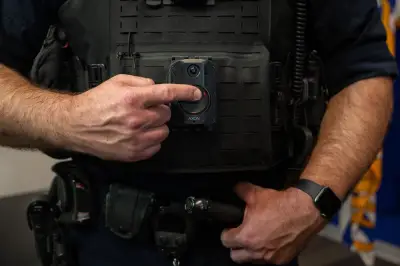
Beyond cockpit security, airlines and airports employ multiple layers of protection. For example, Vancouver police have rolled out drones and upgraded body cameras to boost response times, reflecting a trend toward technology-enhanced security. Similarly, the use of advanced screening techniques and behavioral detection officers helps identify potential threats before boarding. In Canada, the privacy commissioner is investigating deepfake technology, which could pose new challenges for aviation security.
Training and Protocols
Pilots and crew undergo rigorous training to handle emergencies, including cockpit intrusions. Simulators and recurrent training ensure that they can respond effectively under pressure. The recent case of a former Ontario junior hockey player sentenced for child exploitation underscores the importance of background checks for aviation personnel. Meanwhile, the World Cup in Canada has prompted increased security measures, including watch parties and extended bar hours, but also raises concerns about potential disruptions.
Conclusion
While cockpit security remains robust, continuous improvement is necessary to address emerging threats. Passengers should be aware that any attempt to storm a cockpit is not only dangerous but also illegal, with serious repercussions. Airlines and authorities are committed to maintaining the highest safety standards, as demonstrated by ongoing investments in technology and training.