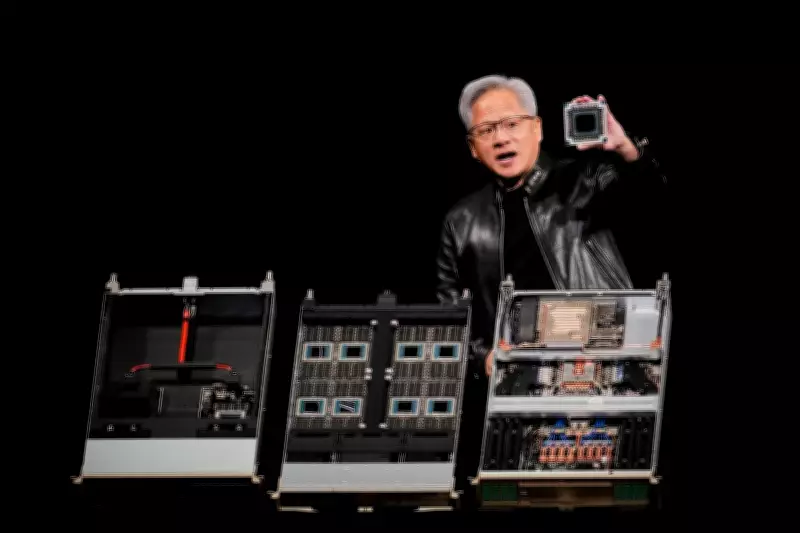
The United States has given the green light for Nvidia to sell its advanced H200 chips to 10 Chinese companies, marking a significant shift in trade policy. This decision comes as Nvidia CEO Jensen Huang seeks to navigate geopolitical tensions and secure a foothold in the lucrative Chinese market.
Background of the Decision
The approval, announced on May 14, 2026, allows Nvidia to export its cutting-edge H200 processors, which are designed for artificial intelligence and high-performance computing. The move signals a potential easing of restrictions that had previously barred such sales due to national security concerns.
Nvidia's Strategic Position
Jensen Huang, speaking at a recent AI conference in San Jose, emphasized the importance of global collaboration. "Technology thrives when borders are open to innovation," he stated. The H200 chip, known for its superior processing power, is critical for AI development in China, a key market for Nvidia.

The decision impacts companies ranging from tech giants to emerging startups, potentially accelerating AI advancements in China. However, critics argue that it may pose risks to U.S. technological superiority.
Market and Political Reactions
Investors reacted positively, with Nvidia's stock rising in after-hours trading. Analysts predict that the sales could generate billions in revenue. Politically, the move has drawn mixed reactions, with some lawmakers expressing concerns about national security while others highlight economic benefits.
The approval includes strict monitoring to ensure compliance with export controls. This is part of a broader strategy to balance economic interests with security imperatives.
Looking Ahead
As Nvidia expands its presence in China, the company faces challenges such as regulatory hurdles and competition from domestic firms. Huang remains optimistic, stating that "innovation knows no boundaries." The H200 chip sales could set a precedent for future technology exports, shaping the global AI landscape.