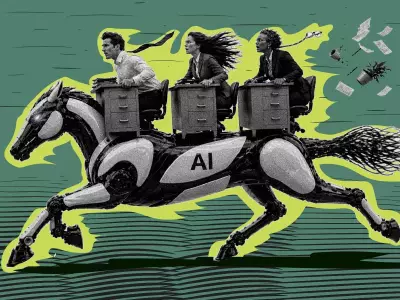
In a surprising development, technology companies are increasingly turning to religion to help shape the ethical frameworks of artificial intelligence. As AI systems become more integrated into daily life, concerns over bias, privacy, and decision-making have prompted firms to seek guidance from religious scholars and traditions.
Why Religion Matters in AI
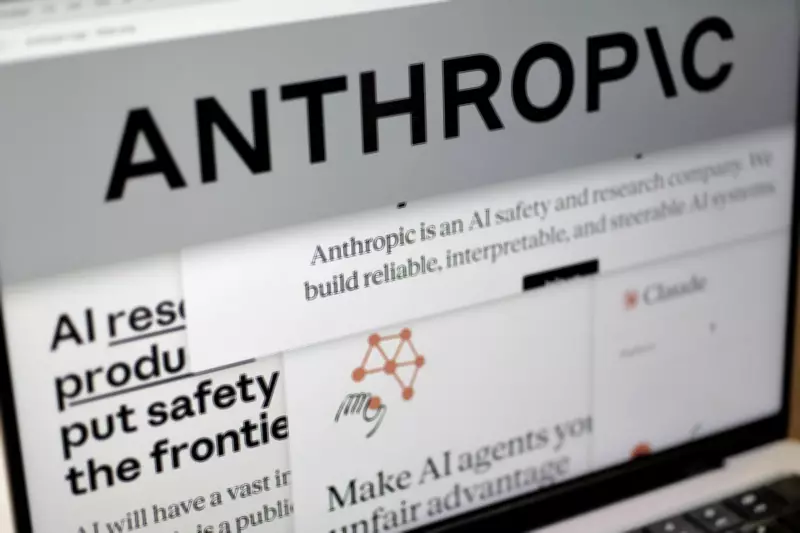
Religious perspectives offer centuries of moral reasoning that can complement secular ethics. Companies like Anthropic, known for developing the AI assistant Claude, have consulted theologians and ethicists to ensure their systems align with human values. The goal is to create AI that respects human dignity and avoids harm.
Industry Examples
- Anthropic has engaged with religious leaders to discuss the ethical implications of AI, focusing on principles like compassion and justice.
- Google and Microsoft have also established ethics boards that include diverse viewpoints, including religious ones.
- Startups are forming partnerships with universities to study how religious texts can inform AI behavior.
Challenges and Criticisms
Critics argue that religion may introduce bias or conflict with secular laws. However, proponents believe that religious ethics provide a robust foundation for addressing complex moral dilemmas. The challenge lies in balancing diverse religious views with universal human rights.

As AI continues to evolve, the integration of religious ethics may become more common, shaping how machines interact with humans in sensitive areas like healthcare, law enforcement, and education.
This trend reflects a broader recognition that technology cannot be value-neutral; it must be guided by ethical principles that have stood the test of time.