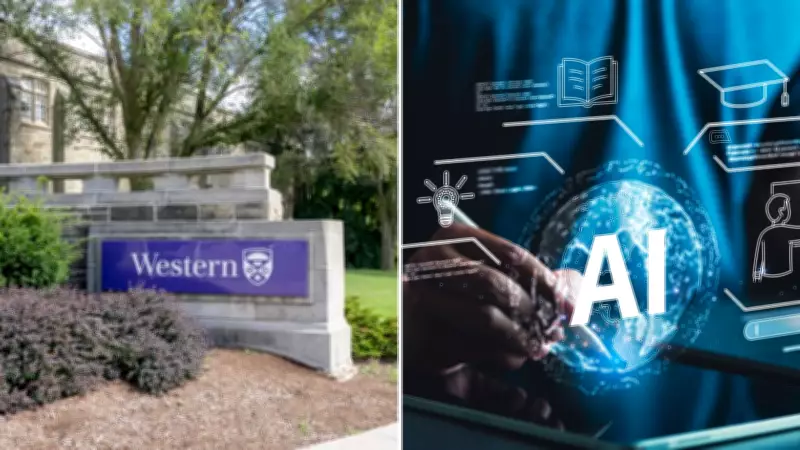
A professor at Western University has rejected exam results amid allegations of AI cheating, raising concerns about academic integrity in the digital age. The incident, reported by LondonNews, involves a faculty member who refused to accept the outcomes of recent examinations, citing evidence that students may have used artificial intelligence tools to complete their work. The professor's decision has sparked a campus-wide discussion on the challenges of monitoring AI use in education.
Background of the Allegations
The allegations came to light after the professor noticed irregularities in student submissions, including unusually consistent language patterns and advanced technical terminology that seemed beyond typical student capability. Upon investigation, the professor suspected that some students had employed AI writing assistants to generate their exam answers. The professor subsequently announced that the exam results would not be processed until a thorough review could be conducted.
University Response
Western University officials have acknowledged the situation and stated that they are working to address the concerns. A spokesperson emphasized the institution's commitment to academic honesty and noted that policies regarding AI use are being updated. The university has also offered to provide training for faculty on detecting AI-generated content.

Student Reactions
The decision has elicited mixed reactions from the student body. Some students support the professor's actions, arguing that it protects the value of their degrees. Others feel that the allegations are unfair and that the professor should have provided clearer guidelines on permissible AI use. A student council representative called for a transparent investigation and dialogue between students and faculty.
Broader Implications
This case highlights the growing tension between technological advancement and traditional academic practices. As AI tools become more sophisticated, educators worldwide are grappling with how to maintain integrity while embracing innovation. Experts suggest that institutions need to develop comprehensive policies that define acceptable AI usage and invest in detection technologies.
The incident at Western University is not isolated; similar cases have been reported at other institutions. It underscores the urgent need for a collaborative approach to academic integrity in the era of generative AI.