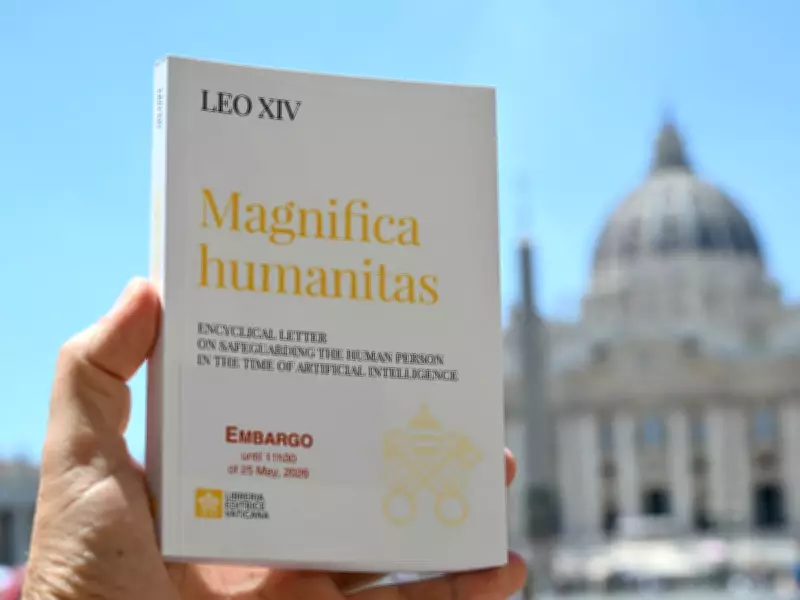
Pope Leo XIV's 43,000-word encyclical on artificial intelligence, titled Magnifica Humanitas: On safeguarding the human person in the time of Artificial Intelligence, has sparked global debate. While many praise its warnings, Terence Corcoran argues the document promotes fear and authoritarian control rather than embracing technology's liberating potential.
AI as 'slavery' and military threat
The encyclical draws extreme comparisons, likening AI to slavery and warning of its use as a military weapon. The Pope writes, 'The fight against new forms of slavery is a decisive test for the ethical discernment of AI.' He also calls for 'disarming AI' to prevent it from dominating humanity, linking it to monopolistic control and geopolitical competition.
Religious and economic overtones
Rich in religious references, the document ties AI to economic ideas, urging a 'wise and benevolent' approach akin to Mary's Magnificat. Corcoran notes that the Pope's solution—guidance by the Church—implies faith in a beneficent state, which The Wall Street Journal recently criticized as misplaced.

A critical perspective
Corcoran challenges the encyclical's premise, arguing that AI, like other technologies, can be used for good or ill. He points out that AI is already used in military applications, but so are steel and nuclear energy. The real issue, he suggests, is not the technology itself but how it is governed. 'Who knows? Its efficiency might even lead to fewer wars,' he writes.
In summary, Corcoran views the encyclical as a fearful, authoritarian response to technological change, contrasting it with the liberating potential of AI when harnessed responsibly.