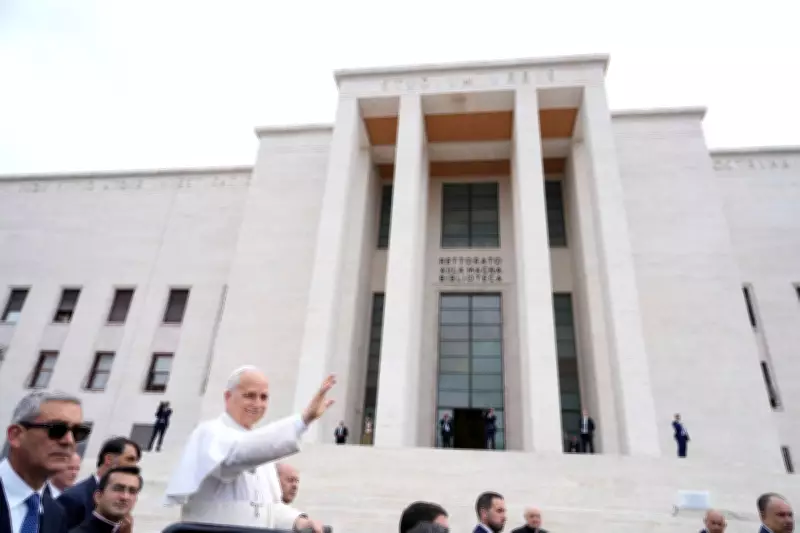
Pope Leo XIV has issued a strong condemnation of the increasing use of artificial intelligence in warfare, warning that it risks leading humanity into a 'spiral of annihilation.' Speaking during a visit to Sapienza University in Rome on Thursday, the pontiff urged global leaders to establish ethical boundaries for the development and deployment of autonomous weapons systems.
Address at Sapienza University
The Pope spoke before faculty and students at one of the world's oldest and largest universities, emphasizing the moral dangers of delegating life-and-death decisions to machines. 'When machines are given the power to decide who lives and who dies, we lose our humanity,' he said. 'This path leads to a spiral of annihilation from which there may be no return.'
Call for International Regulation
Pope Leo XIV called for a binding international treaty to regulate AI in military contexts, similar to existing bans on chemical and biological weapons. He stressed that technology should serve peace, not fuel conflict. 'We must ensure that progress does not become our destroyer,' he added.

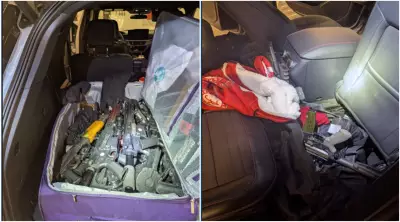
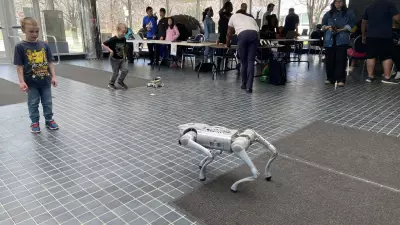
The pontiff's remarks come amid growing global debate over autonomous drones, AI-targeting systems, and cyber warfare capabilities. Several nations, including the United States and China, are investing heavily in AI-driven military technologies, raising concerns among ethicists and humanitarian groups.
Reactions and Context
Religious leaders and human rights organizations have welcomed the Pope's stance. The Vatican has previously expressed concerns about AI's ethical implications, but this is the most direct papal condemnation of AI warfare to date. The speech aligns with broader calls from the United Nations and scientists for a moratorium on lethal autonomous weapons.
As AI continues to advance, the Pope's message serves as a poignant reminder of the moral responsibilities that accompany technological innovation. His visit to Sapienza University underscores the church's engagement with modern scientific and ethical challenges.