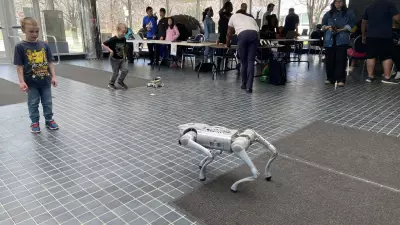
Artificial intelligence is here to stay, and experts are urging parents to teach children how to use it safely and responsibly. The key message: keep an eye on their emotional state. As AI tools become more integrated into daily life, from homework help to entertainment, children may interact with these systems without fully understanding the risks. Dr. Emily Carter, a child psychologist specializing in digital behavior, emphasizes that parents should be proactive. "Children often form attachments to AI assistants or chatbots, and these interactions can impact their emotional well-being," she says. "It's crucial for parents to monitor how their kids feel after using AI and to discuss any confusion or distress."
Why Emotional Monitoring Matters
AI systems, especially conversational agents, can mimic human empathy, leading children to develop emotional bonds. However, these systems lack genuine understanding, which can cause frustration or disappointment. A recent study from the University of Toronto found that children who frequently interact with AI chatbots may experience increased loneliness if they rely on them for social connection. "The technology is not designed to replace human relationships," warns Dr. Carter. "Parents should encourage real-world interactions and set boundaries on AI use."
Practical Tips for Parents
- Talk openly: Ask children about their AI interactions and how they make them feel.
- Set time limits: Balance AI use with offline activities and family time.
- Educate about privacy: Teach kids not to share personal information with AI systems.
- Model behavior: Show responsible AI use by using it transparently and critically.
School and Community Role
Schools are also stepping up. Many districts are incorporating digital literacy into curricula, focusing on AI ethics and safety. "We need to equip children with the skills to navigate this technology," says Mark Thompson, a technology educator in Toronto. "This includes understanding that AI can make mistakes and that it's not a source of emotional support." Community workshops and online resources are available to help parents stay informed.

As AI evolves, the conversation around children's safety must evolve too. By staying engaged and observant, parents can help their children reap the benefits of AI while avoiding its pitfalls. The goal is not to ban technology but to foster a healthy relationship with it.