OpenAI Prevails in High-Stakes Trial Against Elon Musk
OpenAI successfully avoided a potentially devastating legal defeat in a federal trial brought by tech billionaire Elon Musk, though the courtroom battle left both parties with significant repercussions. The jury delivered a verdict in favor of the artificial intelligence research organization on Monday, May 18, 2026, in Oakland, California.
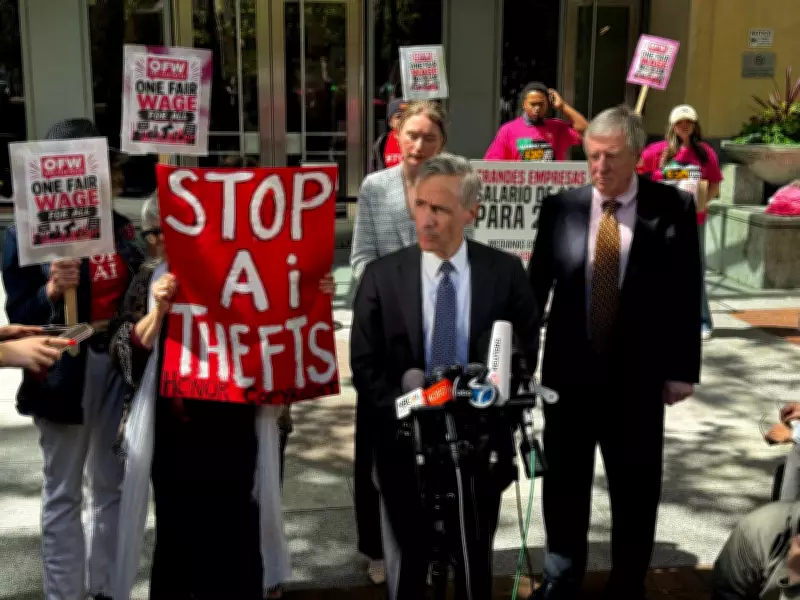
Bill Savitt, an attorney representing OpenAI, addressed the media outside the courthouse following the decision. The trial, which captured widespread attention from the tech industry and legal observers alike, centered on allegations that Musk had leveled against the company he once co-founded.
While the exact details of the case remain sealed, sources close to the proceedings indicate that Musk's claims sought substantial damages that could have crippled OpenAI's operations. The company's legal team successfully argued that Musk's accusations lacked sufficient evidence to warrant the requested remedies.

Legal analysts note that although OpenAI secured a favorable outcome, the trial exposed internal communications and strategic decisions that could have long-term implications for the company's reputation and business relationships. Similarly, Musk, who has been embroiled in multiple legal disputes in recent years, faces continued scrutiny over his litigation strategies.
The verdict marks a significant moment in the ongoing tension between Musk and OpenAI, which has evolved from a non-profit research lab into a for-profit entity valued at billions of dollars. The relationship between the two parties has been fraught since Musk's departure from the organization's board in 2018.
Neither OpenAI nor Musk's legal team have issued statements regarding potential appeals or further legal action. The case has reignited discussions about the governance of artificial intelligence companies and the legal responsibilities of founders who leave such organizations.