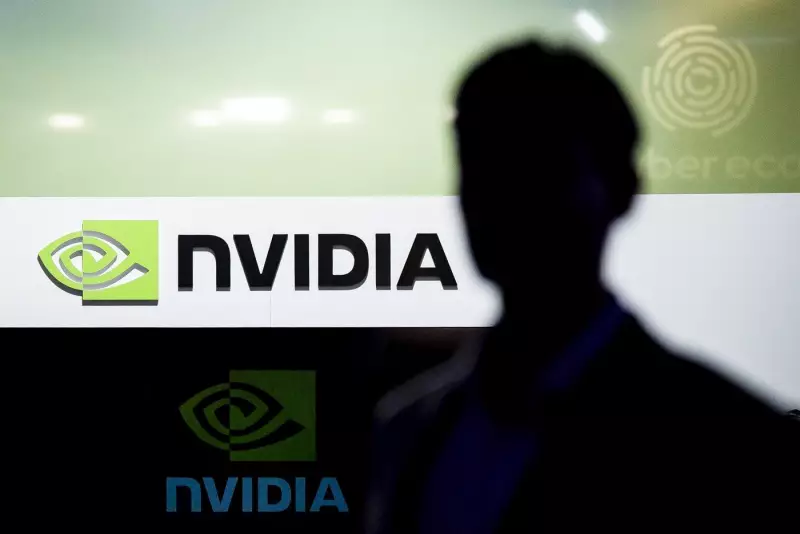
In a notable development within the competitive artificial intelligence sector, chipmaking giant Nvidia has moved to license technology from rival Groq and hire several of its executives. The news, reported by Reuters, highlights the dynamic and rapidly evolving landscape of AI hardware.
A Strategic Licensing Agreement
The core of the announcement is a planned technology licensing deal. Nvidia will gain access to certain Groq technologies, though specific details about which intellectual property is involved were not immediately disclosed. This move is seen as a strategic play by Nvidia to bolster its own offerings and potentially neutralize a growing competitor in the specialized AI inference market where Groq has made significant strides.
The agreement signals a pragmatic approach in an industry known for fierce competition. Instead of solely developing all technology in-house, Nvidia is opting to integrate proven innovations from another player. This comes as the demand for efficient, high-performance AI computing continues to surge globally.

Executive Talent Acquisition
Beyond the technology transfer, the deal includes a significant human capital component. Nvidia plans to hire a number of key executives from Groq. This talent poaching strategy is common in the tech industry and serves a dual purpose: it brings valuable expertise directly into Nvidia's ranks while simultaneously weakening the operational leadership of a rival firm.
The executives making the move possess deep knowledge of Groq's LPU (Language Processing Unit) architecture and its software ecosystem. Their insights will be invaluable to Nvidia as it continues to develop and refine its own AI accelerator roadmap, particularly for inference workloads.
Context and Market Implications
The announcement was made public on December 24, 2025. While financial terms were not revealed, the implications for the AI chip market are substantial. Groq, known for its ultra-low latency AI inference solutions, has been viewed as a challenger to Nvidia's dominant position, especially in certain enterprise and data center applications.
This deal could reshape the competitive dynamics. For Nvidia, it represents both an offensive and defensive maneuver—acquiring technology and talent to strengthen its portfolio. For the broader industry, it may signal a phase of consolidation and strategic partnerships as the AI hardware race intensifies. The move underscores the critical importance of both intellectual property and specialized human talent in maintaining leadership in the high-stakes AI revolution.