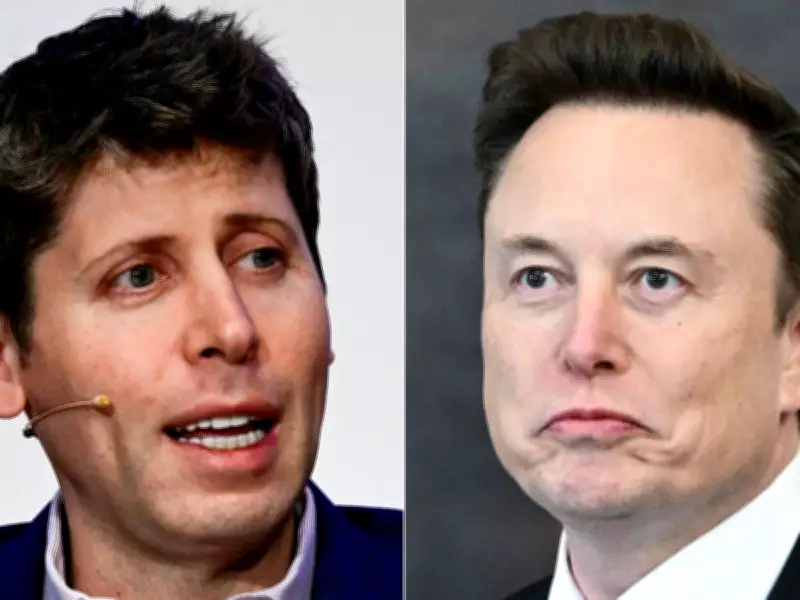
Jury selection in Elon Musk's legal battle against OpenAI and its founder Sam Altman began Monday in California, marking the start of a trial that could reshape the future of artificial intelligence development. The case centers on Musk's accusation that his former co-founders abandoned the original non-profit mission to build AI for humanity's benefit, instead pursuing profit.
A Tech Soap Opera Unfolds
Wedbush analyst Dan Ives described the proceedings as a "tech soap opera that all investors will be watching." He added that "a lot of dirt and slings will be thrown around in court between Musk and Altman," noting that Musk has made the dispute personal. The trial pits the world's richest person against a startup he once backed and now competes with in the booming AI sector.
Background of the Dispute
Court filings reveal that Altman convinced Musk to co-found OpenAI in 2015 as a non-profit lab whose technology "would belong to the world." Musk invested millions but later left the organization. OpenAI subsequently established a commercial subsidiary to fund its massive data center needs, with Microsoft investing billions. Musk argues he was deceived about the altruistic mission, while OpenAI counters that the split was due to Musk's quest for absolute control.

Key Issues at Stake
The trial highlights a fundamental debate: whether AI should serve a privileged few or society as a whole. Musk's lawsuit seeks to force OpenAI back to a pure non-profit structure and remove Altman and co-founder Greg Brockman. Although Musk initially sought up to $134 billion in damages, he has since renounced personal benefit, pledging to redirect any award to OpenAI's non-profit arm. Judge Yvonne Gonzalez Rogers will decide the remedies, guided by an advisory jury.
Witnesses and Testimony
Microsoft CEO Satya Nadella is among those expected to testify. OpenAI has publicly dismissed Musk's lawsuit as a "harassment campaign driven by ego, jealousy, and a desire to slow down a competitor." The startup noted that Musk called for a six-month moratorium on advanced AI development just days after entering the AI race in 2023.
Broader Implications
The case could set a precedent for how AI companies balance mission and profit. With OpenAI's hybrid governance structure—where a non-profit foundation controls a for-profit arm—the trial will examine whether the company broke its initial promises. Musk faces the challenge of convincing a jury that the company behind ChatGPT was built on a lie.