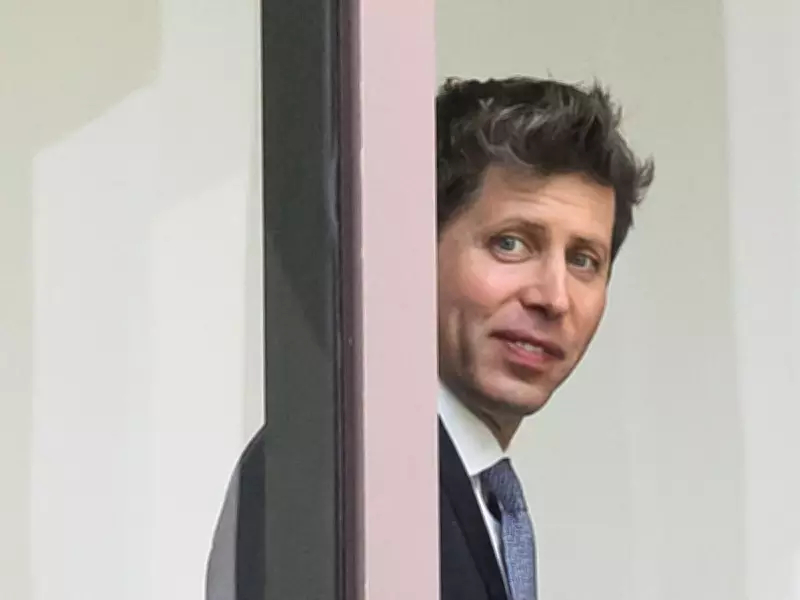
A federal jury has rejected Elon Musk's claims that OpenAI, under the leadership of Sam Altman, betrayed its original mission to benefit the public by transforming into a for-profit enterprise. The verdict, delivered Monday in Oakland, California, concluded that Musk waited too long to file his lawsuit, a key factor in the decision.
The trial, which captivated Silicon Valley since Musk filed his complaint in 2024, featured starkly different portrayals of OpenAI's evolution. Musk argued that Altman and co-founder Greg Brockman misappropriated his $38 million donations when the company abandoned its nonprofit roots to become the for-profit giant behind ChatGPT. OpenAI, however, painted the lawsuit as a hypocritical attempt to sabotage a competitor.
After approximately two hours of deliberations, the nine-member jury reached a unanimous conclusion. U.S. District Judge Yvonne Gonzalez Rogers accepted the verdict, stating, “I think there is a substantial amount of evidence to support the jury’s findings.” The jury determined that Musk had sufficient knowledge of his claims years earlier and should have sued before 2024. Consequently, the panel did not address Musk's central allegation that OpenAI breached its duty to develop artificial intelligence for humanity's benefit.

The outcome provides significant relief for OpenAI as it considers a potential initial public offering. Musk had sought dramatic remedies, including a court order to unwind OpenAI's conversion to a for-profit entity last year. OpenAI attorney William Savitt told reporters, “The finding of the jury confirmed that what this lawsuit was is a hypocrite’s hypocritical attempt to sabotage a competitor and to overcome a long history of very bad predictions about what OpenAI has been and will become.”
Musk and his legal team vowed to appeal. Attorney Marc Toberoff drew historical parallels, saying, “This reminds me of key moments in this country’s history, the Siege of Charleston, the Battle of Bunker Hill. These were major losses for Americans, but who won the war? This one is not over.” Musk generally has a strong courtroom record, but this verdict adds to recent setbacks, including a $243 million judgment against Tesla in August and a potential $2.6 billion liability from a Twitter investor trial in March.
Over nearly three weeks, jurors heard testimony from Musk, Altman, OpenAI president Greg Brockman, and other key figures who witnessed the founders' falling out. The jury also reviewed hundreds of private messages, journal entries, and corporate documents, offering rare insight into the tumultuous inner workings of the ChatGPT maker as it grew from a small startup into a nearly trillion-dollar company.