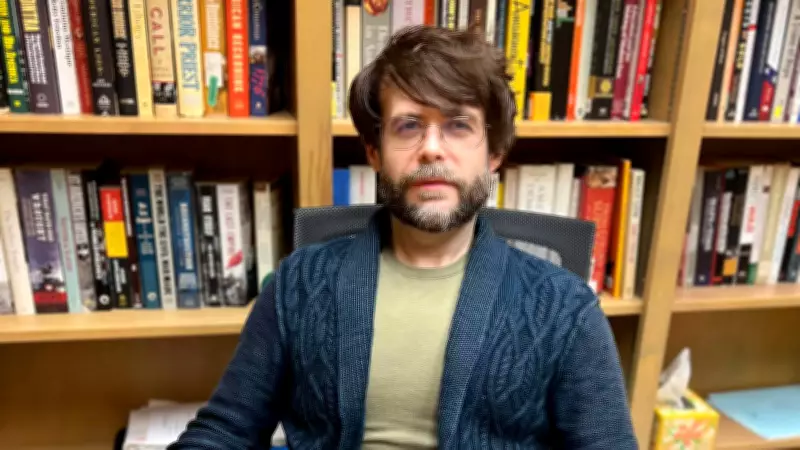
Last semester, a professor suspected widespread use of generative AI in his survey courses and devised a "Trojan horse" experiment within a paper assignment. The results confirmed his fears, sparking a viral Threads post, a HuffPost article, and an NPR interview. While many educators were horrified, some accused him of fostering distrust. This led him to explore ways to de-incentivize AI use over the following semester.
Rethinking Assignments
The professor shifted from weekly analytical essays to role-play assignments. Students were asked to adopt historical perspectives, such as a Gilded Age laborer or a citizen accused of communism during the McCarthy era. They wrote letters or diary entries reflecting daily life, challenges, and emotions. This approach encouraged genuine writing and empathy, with some students producing deeply moving responses.
Scaffolding Long-Term Projects
He replaced a single final submission with multiple checkpoints, allowing him to track progress and reduce the risk of AI-generated final products. Additionally, he swapped the final paper option for a physical art project, inspired by a former student's artwork on ping-pong diplomacy. While only a few chose art, many depicted women's rights or gay rights movements, highlighting the power of art to express human experience beyond AI's capabilities.

Building Awareness and Trust
During the first week, the professor devoted time to discussing generative AI's pros and cons using an essay by Patrick Lin. Students were surprised by findings on cognitive risks, AI's tendency to be wrong, and environmental impacts. He also addressed broader educational gaps: the ineffectiveness of laptops in classrooms, learning losses from COVID-19 lockdowns, and declining intelligence scores among Gen Z. This open dialogue helped students understand the stakes.
Empowering Student Choice
He framed AI use as a personal decision with consequences, emphasizing that history progresses through informed action. By explaining the rationale behind the ban and offering creative alternatives, he built rapport and encouraged students to take ownership of their learning. The approach yielded positive feedback, with students appreciating his honesty and the space for self-expression.
While not perfect, the professor's methods significantly reduced AI misuse and fostered genuine engagement. He plans to continue refining this approach, advocating for educating students about AI's harms and empowering them to make conscious choices.