The House of Representatives voted Wednesday to extend the government's warrantless surveillance authority under Section 702 of the Foreign Intelligence Surveillance Act (FISA), with 42 Democrats joining most Republicans in a 235-191 vote. The measure now moves to the Senate, where its fate remains uncertain.
Bipartisan Support and Opposition
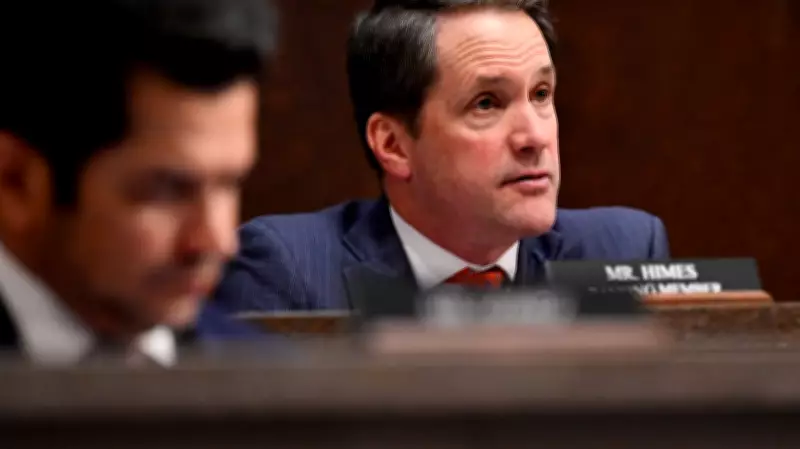
Despite warnings from progressive Democrats and party leaders about potential abuse by the Trump administration, the bill passed with significant Democratic support. Rep. Jamie Raskin (D-Md.) criticized the extension as a "three-year permission slip" for spying on Americans' private communications. However, Reps. Jim Himes (D-Conn.) and Steny Hoyer (D-Md.) urged colleagues to vote in favor.
On the Republican side, 22 members voted against the bill, including some far-right conservatives who had previously blocked an earlier effort. House Speaker Mike Johnson (R-La.) helped secure votes by attaching a provision banning the Federal Reserve from creating a digital currency, a move that swayed some Republicans like Reps. Ralph Norman (R-S.C.) and Andrew Clyde (R-Ga.).

Digital Currency Provision Sparks Controversy
The digital currency ban, aimed at addressing conservative fears of government surveillance, may face elimination in the Senate. Majority Leader John Thune (R-S.D.) has indicated the provision is "not happening" in the upper chamber, potentially leading to a short-term extension while differences are resolved.
Warrant Requirement Debate
Both conservative Republicans and progressive Democrats sought a judicial warrant requirement for searching American communications incidentally collected under Section 702. Rep. Ilhan Omar (D-Minn.) called warrantless surveillance a violation of constitutional rights. A warrant requirement failed by one vote in 2024, and Speaker Johnson blocked its consideration this year.
The bill includes modest reforms, such as increased penalties for misuse. House Judiciary Chairman Jim Jordan (R-Ohio) noted that after similar reforms in 2024, compliance violations dropped from nearly 300,000 in 2021 to 127, calling it "real improvement."
National Security Justifications
Supporters argue the surveillance powers are critical for preventing terrorist attacks. Johnson stated that two-thirds of the president's daily national security briefing relies on intelligence from Section 702. The program, first enacted in 2008, allows the government to collect foreign communications through U.S. telecom infrastructure, incidentally sweeping up American communications.