Artificial Intelligence is increasingly integrated into daily life, from online searches to navigation and homework assistance. While seen as a vital future tool, it raises concerns about privacy, job loss, and health issues from low-frequency noise.
What Are the New AI Centres in B.C.?
The federal government and Telus announced three new AI centres in Vancouver and Kamloops on Monday. These are described as 'sovereign' facilities designed to keep Canadian data within the country amid rising U.S. political tensions.
1. Services Provided
Telus states organizations can use these high-performance compute facilities to build AI models from scratch, customize existing models, or run live AI applications. 'This is the same class of technology infrastructure that powers the world's most advanced AI systems,' said Chris Madan, Telus vice-president. 'The fundamental difference is that Telus is 100 per cent Canadian owned and operated, and every layer of infrastructure is protected under Canadian jurisdiction.'

2. Who Will Use Them?
Users include large enterprises, public institutions, startups, and researchers. Customers rent compute capacity rather than owning hardware. The infrastructure supports training new AI models and allows Canadian researchers to build proprietary AI, keeping intellectual property and economic value in Canada.
3. Locations
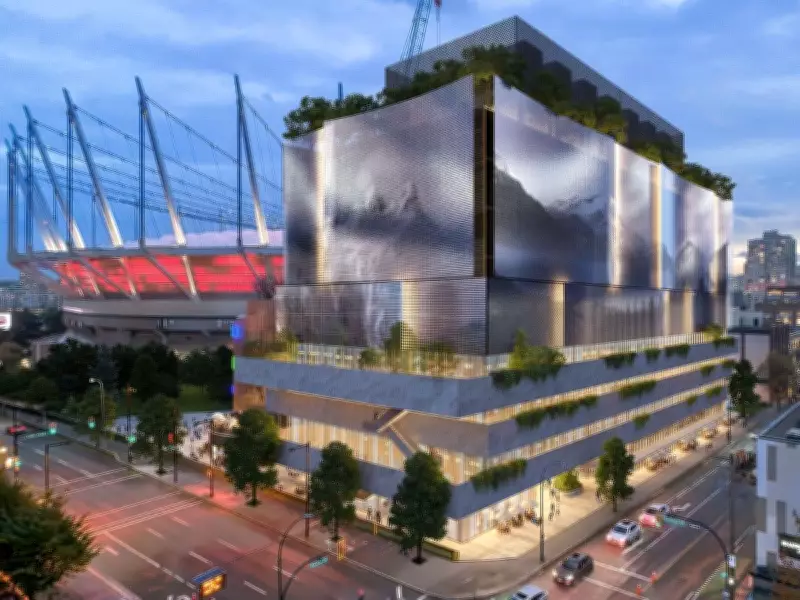
- M3 Centre: A smaller data centre in Vancouver's Mount Pleasant neighbourhood, expected to open by end of 2026 and expand over two years. It will integrate with the city's energy grid to capture heat byproduct for home heating.
- West Georgia Street Centre: A larger facility at 150 West Georgia St., home of Creative Energy, which operates an underground pipe network delivering energy to 215 buildings. This network will capture the AI centre's heat byproduct. By 2032, capacity is expected to exceed 100 megawatts, equivalent to charging 350,000 electric vehicles annually.
- Kamloops Centre: Details on this third centre were not fully disclosed in the article.
4. Environmental Impact
These facilities consume high electricity rates and water for cooling, and expel significant heat. A Vancouver company is helping address these impacts. The heat byproduct will be captured and reused for home heating in both Vancouver locations.
5. Costs and Timeline
Specific costs were not provided, but the centres are part of a federal initiative to build sovereign AI compute infrastructure. The M3 centre opens in 2026, and the West Georgia centre by 2029, scaling to over 100 megawatts by 2032.
These AI centres aim to bolster Canada's competitiveness in the global AI economy while ensuring data sovereignty and local benefits like heat reuse.