British Columbia wildfire officials are issuing a stark warning to the public about the dangers of artificial intelligence-generated images depicting wildfires. In an era where digital manipulation is increasingly sophisticated, authorities are concerned that these fabricated visuals could spread misinformation and incite undue panic during critical emergency situations.
The Rise of AI-Generated Wildfire Imagery
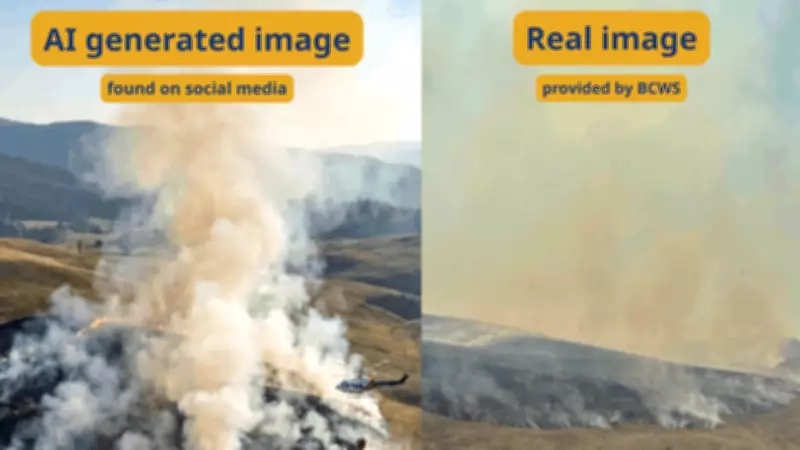
The B.C. Wildfire Service has recently highlighted the issue by sharing a comparison image that contrasts an AI-generated wildfire scene with a real photograph. This visual demonstration aims to educate residents on the subtle yet significant differences between authentic and synthetic content. As AI technology advances, creating hyper-realistic images of natural disasters has become alarmingly accessible, posing new challenges for public communication and safety protocols.
Potential Consequences of Misinformation
Officials emphasize that false or misleading images can have serious repercussions. During active wildfire seasons, accurate information is crucial for evacuation orders, resource allocation, and community preparedness. AI-generated content that depicts non-existent fires or exaggerates real incidents can lead to confusion, wasted emergency resources, and heightened anxiety among vulnerable populations. Moreover, such images may be shared rapidly on social media platforms, amplifying their impact before fact-checking can occur.

The B.C. Wildfire Service is urging residents to rely on official sources for wildfire updates, such as government websites and verified social media accounts. They recommend cross-referencing any alarming images with trusted news outlets or direct communications from emergency services. This proactive approach helps mitigate the risks associated with digital deception and ensures that public responses are based on factual information.
Broader Implications for Digital Literacy
This warning underscores a growing need for enhanced digital literacy among the general public. As AI tools become more prevalent, distinguishing between real and synthetic media requires critical thinking and awareness. Educational initiatives may be necessary to equip individuals with the skills to identify manipulated content, particularly in high-stakes contexts like natural disasters.
In addition to wildfire imagery, similar concerns have been raised about AI-generated content in other domains, from political disinformation to fake health advisories. The incident in B.C. serves as a reminder of the broader societal challenges posed by rapidly evolving technology. By addressing these issues head-on, authorities hope to foster a more informed and resilient community capable of navigating the complexities of the digital age.