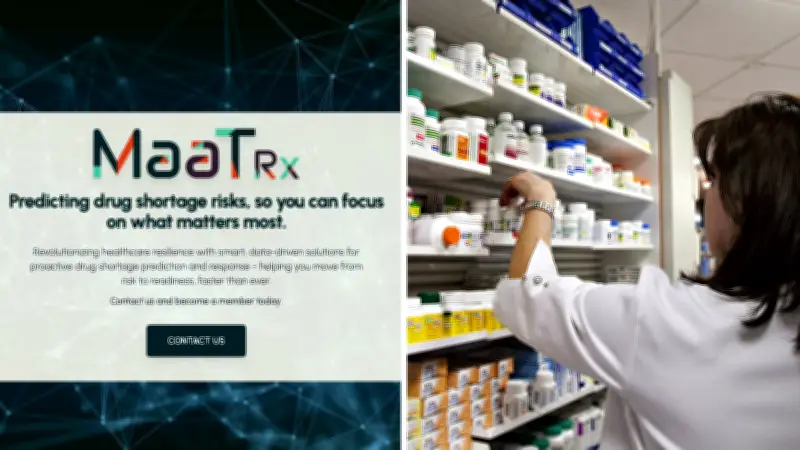
University of Toronto researchers have created MaaTRx, an artificial intelligence-powered platform designed to predict which medications are most likely to face shortages within the next year. The tool offers pharmacists a data-driven method to anticipate supply disruptions and take proactive measures.
How MaaTRx works
The platform analyzes historical data, manufacturing trends, and regulatory changes to forecast shortages. According to lead researcher Dr. Shanzeh Choudhry, the system can identify at-risk drugs with high accuracy, allowing pharmacies to adjust orders or seek alternatives before a crisis hits.
MaaTRx processes over 200 variables, including production volumes, supplier reliability, and seasonal demand patterns. The model updates predictions weekly, providing real-time alerts to subscribed pharmacies.

Impact on patient care
Drug shortages have become a growing concern in Canada, affecting treatments for chronic conditions like diabetes and heart disease. The platform aims to reduce patient anxiety by ensuring medications remain available. “Patients often face stress when their prescriptions are out of stock,” Choudhry said. “MaaTRx gives pharmacists the foresight to avoid such situations.”
In a pilot study, the platform correctly predicted 85% of shortages that occurred over a six-month period. Researchers believe widespread adoption could save the healthcare system millions in emergency procurement costs.
Next steps
The team is now seeking partnerships with pharmacy chains and health authorities to deploy MaaTRx nationally. They also plan to incorporate data from international suppliers to expand coverage. “Our goal is to make this a standard tool for every pharmacy in Canada,” Choudhry added.