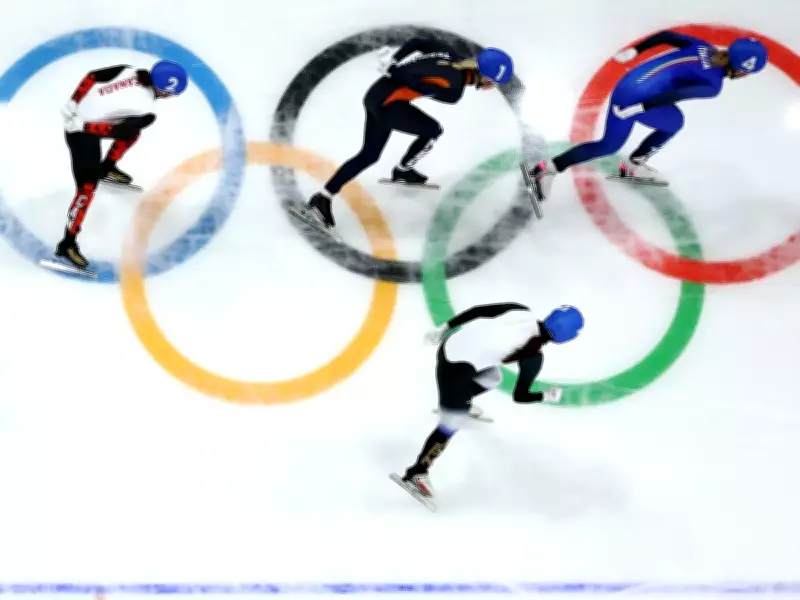
As Canadians enthusiastically followed women's competitions at the Winter Olympic Games, it became evident that women's sports are not merely experiencing a temporary surge but are fundamentally transforming the national narrative. Adam van Koeverden, the secretary of state for sport, recently emphasized this shift, stating, "Looking forward, 2026 might be even more exciting, I think it's set to be Canada's Year of Sport." This momentum is palpable, with record-breaking viewership, viral cultural moments, and increased investor interest in women athletes over the past five years.
The Economic Impact Beyond the Podium
However, for this momentum to yield meaningful results, its influence must extend far beyond athletic achievements. While global attention often focuses on professional women athletes, the broader economic implications for millions of women who do not pursue sports professionally are frequently overlooked. Research from The Prosperity Project demonstrates that athletics serve as a proven pathway to economic empowerment, providing a measurable career "boost" for women who maintain their involvement in sports throughout their professional lives.
Cultivating Essential Leadership Traits
Participation in sports helps women develop critical leadership qualities such as resilience, discipline, self-confidence, and the ability to overcome adversity. These attributes are indispensable for navigating the predominantly male-dominated business landscape. Additionally, sports foster teamwork and the capacity to perform under pressure—skills that are directly transferable to leadership roles in various sectors.

More than 90 percent of women surveyed reported that sports enhanced their mental stamina and energy for work. At a time when Canada faces significant productivity challenges and talent shortages, this connection is particularly relevant. Women constitute nearly half of the workforce, yet leadership pipelines remain uneven. Encouraging sustained participation in sports represents a practical strategy to strengthen leadership capacity over the long term.
Unlocking Underleveraged Potential
By empowering women through sports, Canada can tap into a vast reservoir of underutilized leadership potential. This approach should be viewed not merely as a social initiative but as a robust economic strategy with the potential to deliver long-term productivity gains and sustainable economic growth. A stronger, more inclusive workforce is essential for competing effectively in the global economy, and sports play a vital role in building this foundational strength.
Women who develop their leadership potential through sports are more likely to ascend to senior roles, mentor others, and advocate for policies that promote workplace equality. The ripple effects of this empowerment extend to families, communities, and ultimately the national economy. The resilience and confidence cultivated by sports participation enable women to seize opportunities, navigate challenges, and contribute more effectively to the workforce.
Addressing Systemic Barriers
Despite these significant benefits, women often face obstacles that drive them away from athletics, including financial constraints, cultural norms, and societal expectations, particularly during their teenage years. This trend frequently continues as they enter the workforce, limiting long-term leadership development and perpetuating systemic inequities. Participation in sports often diminishes just as professional demands intensify, creating a critical gap in leadership cultivation.
To address this issue, Canada must prioritize efforts to level the playing field by making sports programs more accessible and sustainable. Opportunities abound, from recreational programs and school-based initiatives to workplace policies that encourage physical activity, ensuring that every girl and woman has the chance to discover her potential.
Building a Resilient Workforce
Equipping women with the skills and confidence to excel through athletics can help dismantle the systemic barriers that have long hindered gender equity in leadership. Addressing productivity challenges requires cultivating a workforce that is resilient, skilled, and engaged. Sports offer a practical avenue for fostering these qualities and strengthening leadership pipelines across industries.

While physical activity alone will not resolve the gender gap, it represents a crucial component of a comprehensive strategy. Additional measures such as childcare support, flexible workplaces, inclusive leadership practices, and equity in pay and promotion remain essential. However, the experiences that sports provide in developing the mindset and skills necessary for leadership—both on and off the field—should not be overlooked.
A Long-Term Economic Strategy
Investing in women's participation in sports transcends the pursuit of medals; it is about building leaders and fortifying Canada's economic future long after the closing ceremonies of sporting events. By fostering an environment where women can thrive through athletics, Canada can unlock unprecedented economic potential and drive sustainable growth for generations to come.