Tennis Stars Slam Australian Open Over Privacy Invasion: 'Are We Animals in a Zoo?'
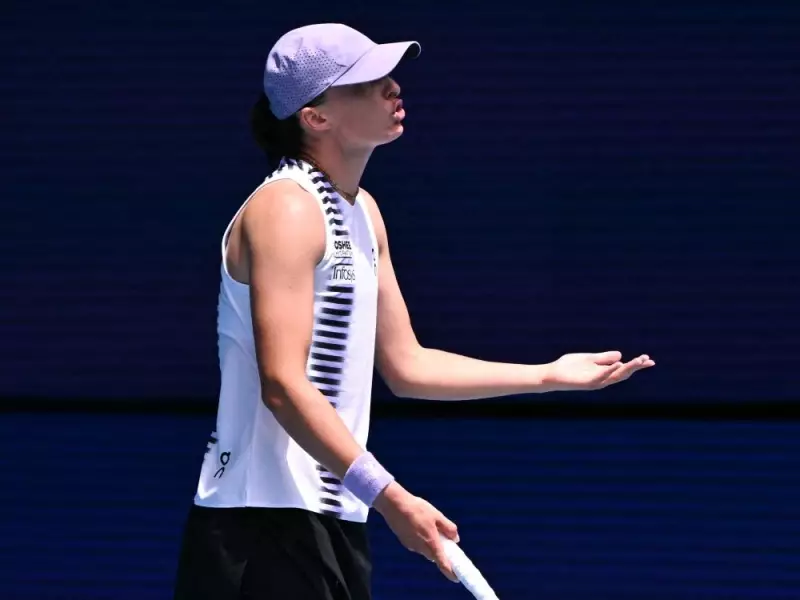
The intense spotlight of professional tennis should remain confined to the court, according to World No. 2 Iga Swiatek, who has joined a growing chorus of players voicing frustration over the lack of privacy at the Australian Open. The Polish superstar's comments come in the wake of a viral incident involving American star Coco Gauff, sparking a broader debate about athlete privacy in the digital age.
The Incident That Sparked the Controversy
The calls for increased player privacy were ignited by an incident on Tuesday involving Coco Gauff. After a swift 59-minute quarterfinal loss to Elina Svitolina, Gauff experienced a post-match meltdown that was captured on camera without her knowledge. The footage quickly went viral, drawing widespread attention and criticism.
Gauff later expressed her dismay, stating that she was unhappy about the complete lack of privacy anywhere except the locker room. This incident has brought to light what many players describe as an increasingly intrusive media environment at Melbourne Park.

Swiatek's Blunt Assessment
Iga Swiatek echoed Gauff's concerns with particularly vivid language following her own quarterfinal loss to Elena Rybakina on Wednesday. "The question is, are we tennis players or are we animals in a zoo, where they are observed even when they poop?" Swiatek told reporters, before acknowledging she was exaggerating for effect.
"OK, that was exaggerating obviously, but it would be nice to have some privacy," she continued. "It would be nice also to have your own process and not always be observed."
Swiatek noted that this level of surveillance seems unique to the Australian Open, pointing out that other Grand Slam tournaments like the French Open and Wimbledon provide designated sanctuary areas that are off-limits to cameras and fans.
Growing Player Consensus
Other top players have joined the criticism, creating a unified front against what they perceive as invasive media practices. Amanda Anisimova shared that she felt compelled to keep her head down until reaching the locker room to avoid unwanted attention.
"There are good moments obviously that people see and that's fun. Then, when you lose, there are probably not-so-good moments," Anisimova explained. "The video of Coco that was posted, it's tough because she didn't have a say in that."
Jessica Pegula added that the off-court coverage has become increasingly intrusive compared to previous years, with players feeling constantly monitored. "I was, like, 'Can you just let the girls have like a moment to themselves?'" Pegula questioned.
The Extent of Surveillance
According to players, the surveillance extends far beyond reasonable boundaries. Pegula described a situation where "people were zooming in on players' phones and stuff like that," which she called "so unnecessary" and "really an invasion of privacy."
"We're on the court on TV. You come inside, you're on TV," Pegula elaborated. "Literally, the only time you're not being recorded is when you are going to shower and go to the bathroom."
Broader Implications for Tennis
Swiatek emphasized that while tennis players accept being watched during matches and press conferences, constant surveillance of their private moments crosses a line. "It's not our job to be a meme when you forget your accreditation," she said, referencing her own viral moment earlier in the tournament when she was held up by security.
"Oh, it's funny, for sure. People have something to talk about, but for us I don't think it's necessary," Swiatek added, questioning whether approaching tournament organizers would even make a difference given the current media landscape.
This controversy highlights the tension between media coverage demands and athlete wellbeing in modern sports. As tennis continues to grow its global audience, players are increasingly vocal about maintaining boundaries that protect their mental health and personal space during high-pressure tournaments.