Toronto Officials Acknowledge Snow Clearing Deficiencies, Ramp Up Response
City manager Paul Johnson has publicly admitted that Toronto's response to clearing narrow residential streets and sidewalks following Sunday's significant snowfall has fallen short of expectations. However, Johnson expressed optimism that the situation would improve with immediate corrective measures being implemented.
"Gap in Our Performance" on Sidewalks
During a Wednesday morning briefing at a snow storage and melting facility, Johnson stated, "Operationally, we realized that sidewalks have become an issue where we're just not doing enough and we need to improve." He acknowledged a clear "gap in our performance around sidewalks" and outlined plans to address this deficiency within the next 24 hours.
The city has initiated several response measures:

- Deploying additional crews specifically for sidewalk clearing operations
- Increasing the number of inspectors to monitor cleanup progress
- Prioritizing very narrow local roads that have proven most challenging
- Implementing a "full send out" approach with all available resources
Service Requests Overwhelm City Systems
Johnson revealed that Toronto is currently receiving between 3,000 to 4,000 daily 311 calls for service requests related to winter conditions. These requests are supplemented by data from individual councillor offices and visual inspections conducted by city staff.
"Our No. 1 service request related to winter is around sidewalks," Johnson emphasized, highlighting the primary concern expressed by residents across the city.
Mayor Chow Details Expanded Operations
Mayor Olivia Chow, appearing alongside Johnson, provided additional details about the city's enhanced response efforts. "We are prioritizing the narrow streets first," Chow stated, noting that approximately 1,300 city staff and contractors continue working around the clock on snow removal operations.
The city has implemented several strategic measures:
- Redeployment of 175 extra staff to accelerate cleanup efforts
- Continuous operation of snow melters and identification of additional dump sites
- Distribution of orange warning signs 24 hours before clearing operations on specific residential streets
- Maintenance of ongoing sidewalk plowing operations without interruption
Infrastructure and Capacity Challenges
Johnson detailed the city's current snow management infrastructure, which includes:
- Five operational snow dump sites with capacity for expansion
- Two functioning snow melters capable of processing 3,600 tonnes of snow
- Hundreds of available dump trucks for snow transportation
- Facilities capable of handling approximately 50,000 tonnes of snow
The city manager confirmed that while a sixth snow dump site in Etobicoke has been identified, it is not yet operational. Officials are actively seeking additional locations that meet required standards, with Johnson stating, "We will actually get up to six-seven, whatever we need, to make it happen."
Resident Engagement and Reporting
Mayor Chow encouraged residents to actively report areas requiring attention, stating, "If you see where work needs to be done, please call 311, or visit my website to report it." She acknowledged having personally observed problematic areas and heard directly from residents about specific locations needing attention.
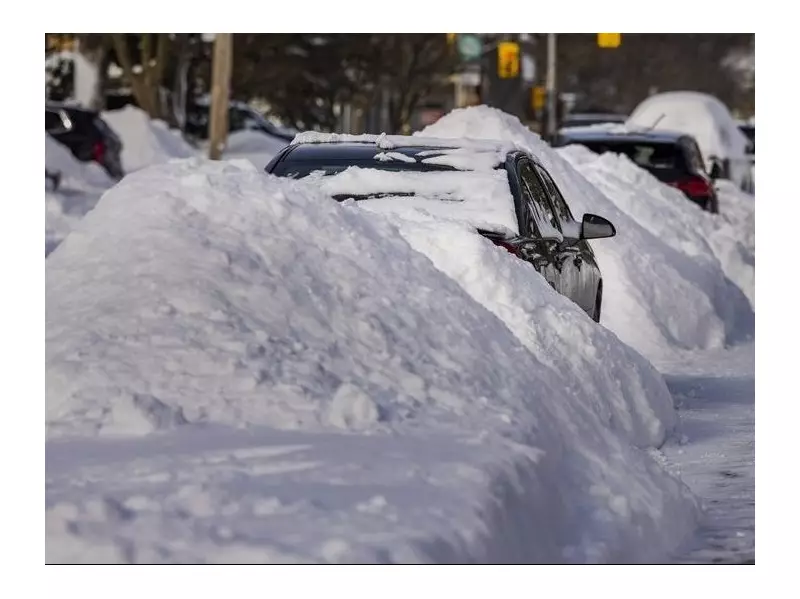
The city's response comes after a major snowfall that left many Toronto neighborhoods, particularly those with narrow streets in areas like Davenport and Beaches, struggling with accumulated snow and ice on sidewalks and roadways.