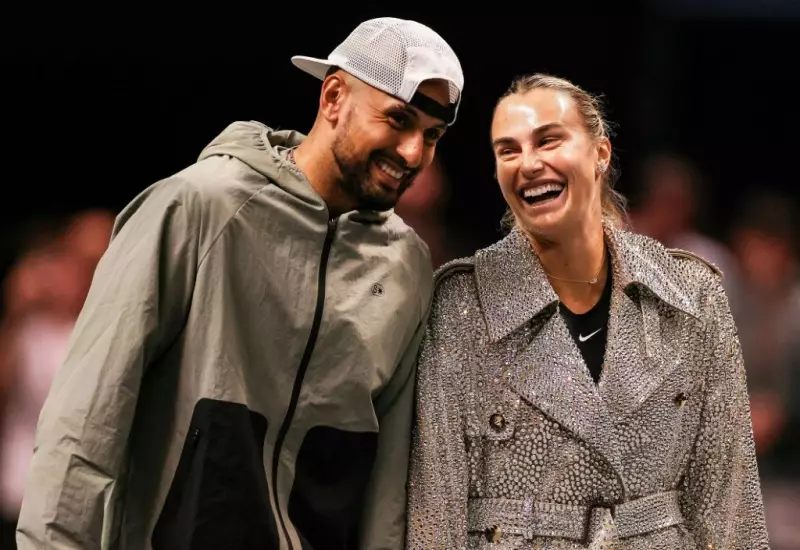
World number one tennis star Aryna Sabalenka has publicly addressed the backlash surrounding her high-profile "Battle of the Sexes" exhibition match against Australian player Nick Kyrgios, stating she is "sad" about the negative reaction but believes the event successfully drew global attention to the sport.
Defending the Dubai Exhibition
The Belarusian top-ranked player spoke to reporters on Tuesday at the season-opening Brisbane International in Australia. Her comments come after she lost to Kyrgios with a score of 6-3, 6-3 in Dubai on December 28, 2025. The match, organized by the management agency representing both athletes, featured modified rules intended to balance physical differences and was heavily promoted for broadcast.
"What I’m sad about is that some people got it wrong, the whole idea of that event," Sabalenka explained. She emphasized that the exhibition was designed to be a fun and challenging spectacle, not a statement on gender competition. "It was fun. It was a great challenge. I think we brought so many eyes on tennis," she added.

Controversy and Criticism
The match sparked considerable debate within the tennis community and beyond. Critics questioned its motives, suggesting it was primarily geared toward generating television ratings and revenue. The choice of Kyrgios as the male participant also drew scrutiny due to his past, including a 2021 assault conviction involving an ex-girlfriend and a history of making misogynistic remarks.
Further criticism came from fellow top player Iga Swiatek. The world number two from Poland stated last Saturday that women's tennis has no need for such spectacles, asserting, "I feel like women’s tennis stands on its own right now."
A Different Era from King vs. Riggs
The modern exhibition stood in stark contrast to the iconic 1973 Battle of the Sexes match between Billie Jean King and Bobby Riggs. That encounter carried immense weight for the legitimacy and financial future of the nascent women's professional tour, which King helped establish. King, then at her peak, defeated the 55-year-old Riggs in three sets in a defining cultural moment.
Sabalenka firmly distanced her match from those historical stakes. "It wasn’t about proving something to anyone," she clarified. "It was about to show that tennis can be really huge and we can bring a lot of attention on the exhibition match, which usually never happen, and we just proved that. That’s all it was about."
The player's defence highlights the ongoing conversation about entertainment, sport, and gender in professional athletics, underscoring how a single exhibition can ignite widespread discussion far beyond the final score.