LIV Golf's Fatal Flaw: Exposing Athletes' True Motivations
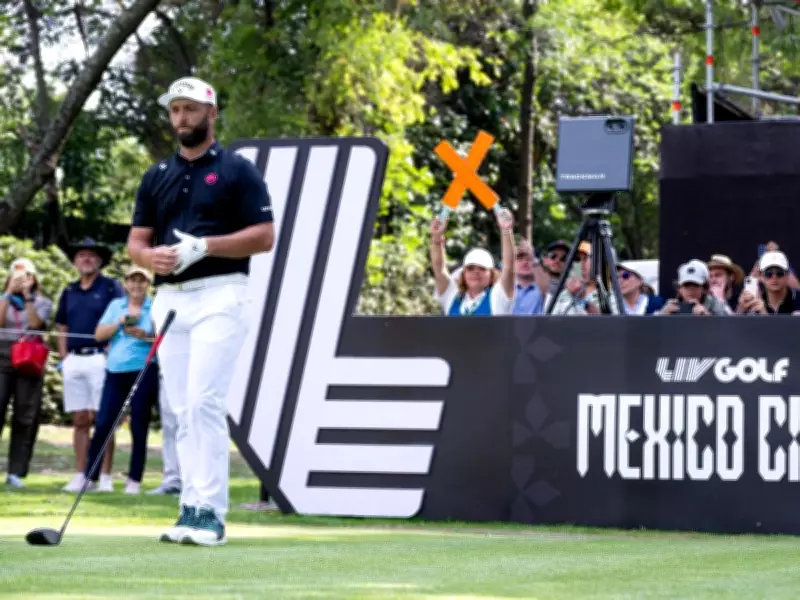
Reports from across the golf and business worlds, spanning North America to the Middle East, indicate that LIV Golf's future is in serious jeopardy. The Saudi Public Investment Fund is rumored to be cutting off funding for the breakaway tour after the 2026 season, following a chaotic ride that may end in a common fate for rival leagues: failure or merger.
The Disruption That Solved No Problem
LIV Golf positioned itself as a startup disruptor to the PGA Tour, but it failed to address any real consumer issue. Unlike innovations such as Uber, which revolutionized transportation by making it easier and better, or food delivery apps that simplified ordering, LIV only catered to professional golfers seeking higher earnings. Golf fans were not demanding changes like players wearing shorts or tournament music, and transforming a 500-year-old individual sport into a compelling team format overnight proved unrealistic.
The tour's fundamental flaw was its inability to enhance the fan experience, instead focusing on financial incentives that ultimately felt hollow to audiences.

A Defining Moment: The Honda Classic Showdown
The day that arguably sank LIV Golf was a Sunday in February 2023, during the Honda Classic. Chris Kirk, a journeyman pro and recovering alcoholic who hadn't won in nearly a decade, defeated PGA Tour rookie Eric Cole in a playoff at what had become a second-tier event. This edge-of-your-seat drama stole the spotlight from LIV Golf's opening event that season, highlighting the romantic unpredictability that defines traditional golf.
In the years since, this moment has been frequently cited in comparisons between the tours, underscoring a key weakness in LIV's approach.
Breaking the Fourth Wall of Sports
LIV Golf broke the fourth wall of sports by forcing golfers to display their true motivations—or lack thereof—leading to an emptiness in the product that many fans couldn't overlook. In an era where big money often overshadows competition, LIV pulled back the curtain too far, revealing financial drives that undermined the sport's core appeal of equality and passion.
Possible reasons for the Saudi PIF's potential withdrawal include geo-political factors, contract renegotiations with stars like Bryson DeChambeau, or failed attempts to integrate with American sports' corporate structures. However, the simplest explanation may be that LIV's biggest failure was exposing the mechanics of modern sport in a way that alienated its audience.
The Legacy of a Chaotic Experiment
If LIV Golf does shut down, its legacy will be one of chaos and missed opportunities. While it challenged the PGA Tour and sparked debates, it ultimately failed to create a sustainable, fan-centric product. The experience serves as a reminder that in sports, authenticity and unpredictability often trump financial spectacle, a lesson that could reshape future innovations in professional athletics.