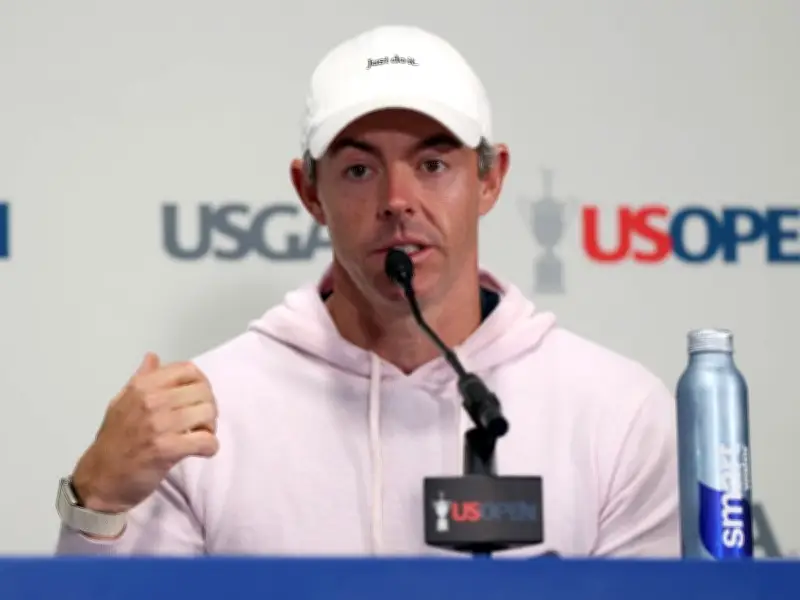
Golf superstar Rory McIlroy has publicly opposed PGA Tour CEO Brian Rolapp's plan to restructure the tour, using the RBC Canadian Open as a prime example of what could be lost. McIlroy, a two-time Canadian Open champion, voiced his concerns during a press conference at Shinnecock Hills Golf Club ahead of the 126th U.S. Open.
McIlroy's Criticism of the Two-Track System
Rolapp's proposal would divide the PGA Tour into two tracks: Track 1 would feature 15-18 top tournaments with all elite players eligible, while Track 2 would consist of lesser events for lower-ranked players competing for promotion at year's end. McIlroy argued that this system would diminish the stature of historic tournaments like the Canadian Open.
“An event like last week, the Canadian Open, potentially going to one of these track 2s. Track 2 is a glorified Korn Ferry event. That’s what track 2 is going to be. So I don’t think the Canadian Open should be one of those,” McIlroy said.

He added, “I just think there’s going to be certain events that might lose their stature if a sponsor doesn’t pony up $30 million. So that’s the tough thing.”
Impact on Canadian Golfers
Under Rolapp's plan, top players could be limited or banned from competing in Track 2 events. This could prevent Canadian stars like Corey Conners, Nick Taylor, and Mackenzie Hughes from playing their national open, depending on their ranking.
McIlroy acknowledged he is not involved in the tour's internal meetings but expressed his personal stance: “I play my schedule and I’ll continue to play my schedule, which is getting less and less as the years go on.”
LIV Golf's Influence
McIlroy also referenced LIV Golf as a catalyst for rising purses and unsustainable economics in professional golf. He noted that before LIV emerged, the PGA Tour structure was effective.
“It’s funny. Like I think, as they’ve done all this work, you start to realize that the way the Tour was before LIV came along was actually pretty good. It was a pretty good structure, and everything sort of worked pretty well,” he said.
He added, “LIV created this false economy where we had to up prize funds and had to cut fields and try to support the top players and all that stuff, which I think needed to happen because that was the only way to retain talent at the time, but now that LIV looks like it’s less of a threat, I think, as I said, the old ways of the PGA Tour weren’t so bad.”