Former Olympic Snowboarder Ross Rebagliati Speaks on Ryan Wedding's Tragic Descent
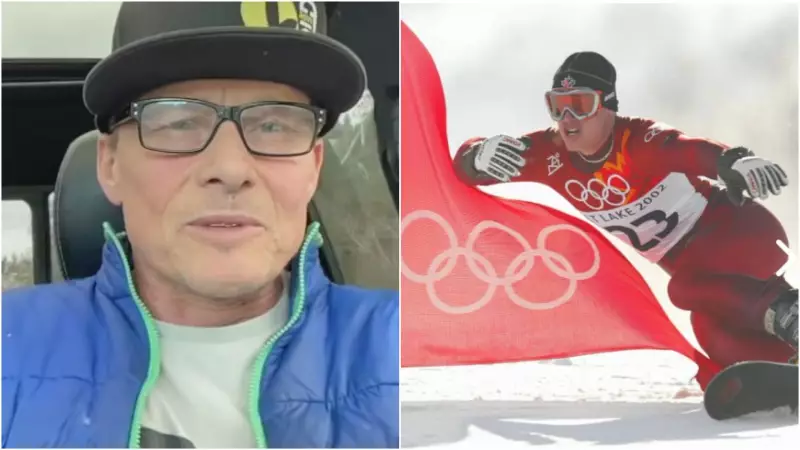
In a recent interview, Canadian Olympic snowboarder Ross Rebagliati shared his perspective on the downfall of Ryan Wedding, a figure once celebrated in the snowboarding community. Rebagliati, who won gold at the 1998 Winter Olympics, described Wedding as being "at the top of his game" before his life took a dark turn towards criminal activities.
The Role of Financial Struggles in Wedding's Path
Rebagliati suggested that a lack of funding and sponsorships may have played a significant role in drawing Wedding towards a life of crime. This insight highlights the often-overlooked financial pressures faced by athletes, even those who achieve high levels of success in their sports. The snowboarding world, while glamorous in the public eye, can be fraught with economic challenges that push individuals to seek alternative, sometimes illicit, means of support.
A Timeline of the Case and Broader Context
The arrest of Ryan Wedding in Mexico City, described by authorities as involving "the most egregious crimes on planet Earth", marks a stark contrast to his earlier achievements. Police have detailed a timeline of events leading to his capture, underscoring the serious nature of the drug trafficking allegations. This case has sparked discussions within the sports community about the need for better support systems for athletes post-competition.

Rebagliati's comments serve as a poignant reminder of how quickly fortunes can change, especially in high-stakes environments like professional sports. The intersection of athletic prowess and personal downfall raises important questions about mental health and career sustainability in such demanding fields.
Reflections on the Snowboarding Community
As a respected figure in Canadian snowboarding, Rebagliati's words carry weight, prompting fans and fellow athletes to reflect on the vulnerabilities within their community. The story of Ryan Wedding is not just an isolated incident but a cautionary tale about the pressures that can lead even the most talented individuals astray.
This narrative adds depth to the ongoing conversation about athlete welfare, emphasizing that success on the slopes does not always translate to stability off them. It calls for a more holistic approach to supporting sports professionals throughout their careers and beyond.