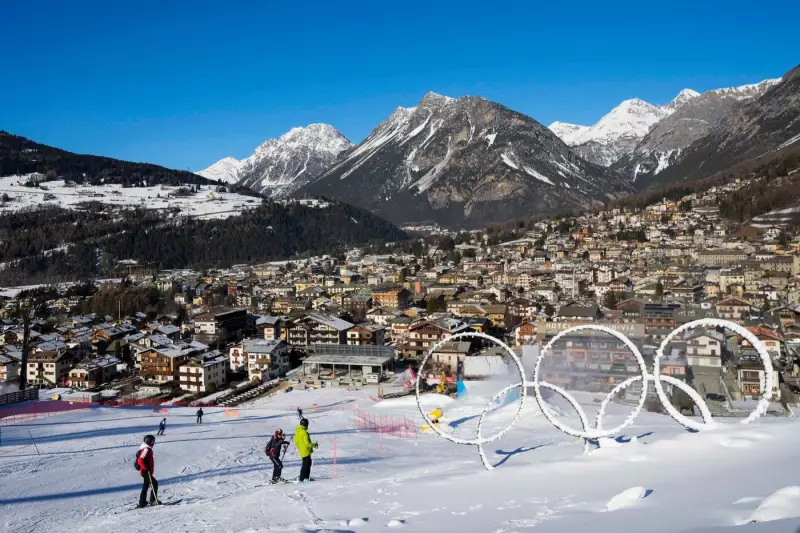
The future of the Winter Olympics is on thin ice, literally and figuratively, as the accelerating impacts of climate change dramatically shrink the pool of cities capable of reliably hosting the global event. A stark analysis reveals that the list of potential host sites is dwindling, forcing the International Olympic Committee and winter sports federations to confront a warming reality.
The Shrinking Map of Viable Hosts
The core challenge is straightforward but monumental: rising global temperatures are making it increasingly difficult to guarantee the cold, snowy conditions essential for winter sports. Regions that once were considered winter sports bastions now face unpredictable weather, shorter seasons, and a greater reliance on artificial snowmaking, which is itself energy-intensive and water-dependent. This environmental shift is not a distant threat but a present-day crisis for event planners.
Historical host cities and traditional winter nations are finding their candidacies riskier. The reliability of February temperatures cold enough to maintain competition-grade snowpack can no longer be assumed. This forces the IOC to look towards fewer, often more extreme, geographic locations, potentially limiting the diversity and global reach of the Games.

Immediate Challenges and Long-Term Adaptations
The issue moves from theoretical to tangible with each Olympic cycle. Host cities are now compelled to invest heavily in climate contingency plans and expensive snowmaking infrastructure. The environmental and financial costs of "manufacturing" winter are becoming a significant burden. Furthermore, athletes face altered training schedules and concerns about the safety and fairness of competing on artificial surfaces, which can behave differently than natural snow and ice.
Looking ahead, the conversation is shifting towards potential adaptations. These could include rotating the Games among a smaller, climate-reliable pool of hosts, holding events at higher altitudes exclusively, or even reconsidering the traditional late-winter timing. Some experts suggest a more regionalized model for qualifying events to reduce the carbon footprint of travel, another contributor to the very problem threatening the sports.
A Symbolic Crisis for Winter Sports
The struggle to secure Winter Olympic hosts is a powerful symbol of the broader threat climate change poses to winter sports culture worldwide. From local ski hills in Canada to World Cup circuits, the industry is under pressure. The Olympic crisis mirrors challenges faced by recreational skiers, snowboarders, and the economies built around them.
The situation calls for urgent action from sports governing bodies, not just in event planning but in advocacy. The winter sports community has a unique platform and a direct stake in pushing for policies that mitigate climate change. The future of the Winter Olympics depends not only on adaptation but on a global effort to preserve the cold winters that make these sports possible. The time for proactive planning is now, before the list of potential hosts disappears entirely.