Olympic Neutrality Erodes Amid Trump-Era Political Tensions
The 2026 Winter Olympics in Milan-Cortina have become a stage for American political drama, marking a significant departure from the traditional neutrality of international athletic competition. For the first time since Cold War tensions influenced the 1980 and 1984 Games, U.S. domestic politics are taking center stage at the Olympics, creating an environment where athletic achievement is increasingly overshadowed by political discourse.
Athlete's Mixed Emotions Spark Presidential Rebuke
The controversy erupted when American freestyle skier Hunter Hess expressed what he described as "mixed emotions" about representing the United States during a Friday news conference. Hess explained that while wearing the American flag, he did not feel he represented the current state of the nation, stating: "There's obviously a lot going on that I'm not the biggest fan of and I think a lot of people aren't." The athlete emphasized he was competing for family, friends, and supporters rather than as a symbol of national identity.
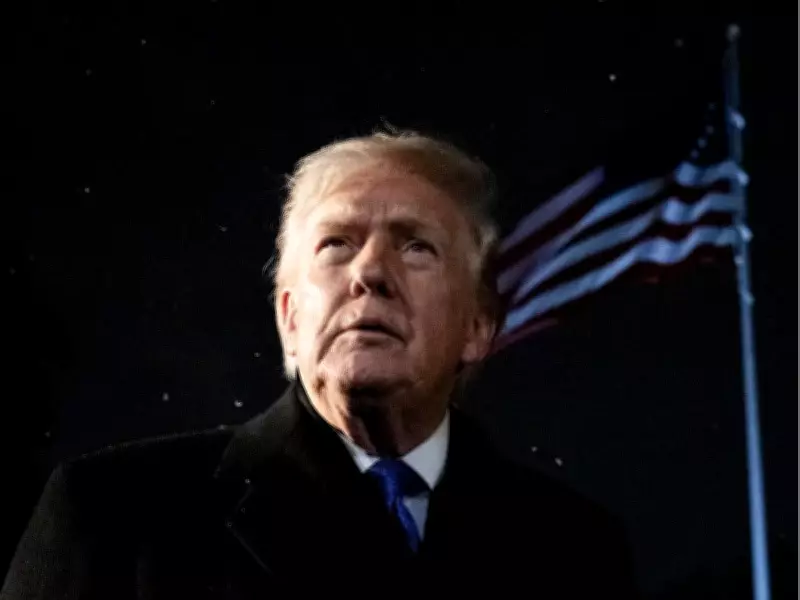
Former President Donald Trump responded swiftly and harshly on his Truth Social platform, writing: "Hunter Hess, a real Loser, says he doesn't represent his Country in the current Winter Olympics. If that's the case, he shouldn't have tried out for the Team, and it's too bad he's on it. Very hard to root for someone like this." This public condemnation from a former U.S. president created immediate international attention and placed unprecedented political pressure on the Olympic environment.

Olympic Officials Navigate Political Minefield
During a Monday morning briefing with the International Olympic Committee and host delegation, Trump's comments dominated discussion for several minutes. Chief Games operations officer Andrea Francisi became the first official to address questions about the incident, carefully avoiding direct commentary on Trump's remarks while shifting focus to Italian athletes' performance expectations.
IOC Communications director Mark Adams followed with similar diplomatic evasion, stating: "It won't surprise you to know that I'm not going to add to the, should we call it, discourse. I won't comment on the statement of the president of the United States, nor would I on another head of state either." This response highlighted the delicate balancing act Olympic officials must perform when political controversies intersect with international athletic competition.
Multiple Factors Converge at Milan-Cortina
The political tension at the 2026 Winter Olympics stems from a convergence of several significant factors:
- Intense domestic division within the United States
- International disapproval of Trump administration policies
- Increased willingness of American athletes to voice political opinions on global platforms
- The growing intersection between social media and international diplomacy
This combination has created an environment where American politics have become impossible to ignore at what was traditionally considered neutral international territory.
Organizational Response and Athlete Protection
The U.S. Olympic & Paralympic Committee issued a statement obtained by CNN emphasizing their priority of protecting Hess and supporting his competitive efforts. A spokesperson noted: "It's a sad reality that over the last several games, we've seen an uptick in abusive and harmful messages directed at athletes during competition," highlighting increased monitoring of threats against competitors.
The organization reinforced its commitment with the declaration: "The USOPC stands firmly behind Team USA athletes and remains committed to their well-being and safety, both on and off the field of play." This protective stance reflects growing concerns about how political discourse affects athlete mental health and performance during high-pressure international competitions.
The 2026 Winter Olympics thus represent a turning point in how international sporting events navigate the complex intersection of athletics and politics, particularly when involving nations experiencing significant internal division and controversial leadership transitions.