IOC Bars Ukrainian Skeleton Athlete from 2026 Olympics Over Helmet Memorial Dispute
In a dramatic turn of events at the Milan-Cortina Winter Olympics, Ukrainian skeleton pilot Vladyslav Heraskevych was barred from competition by the International Olympic Committee (IOC) on Thursday. The 27-year-old athlete from Kyiv was removed from the men's skeleton event shortly before it was scheduled to begin, following his refusal to comply with IOC regulations regarding political expression.
The Controversial Helmet Memorial
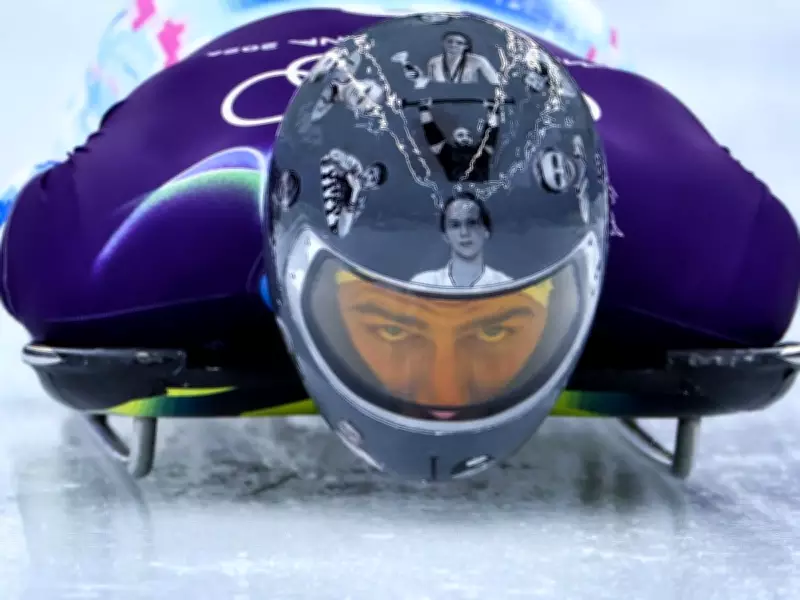
Heraskevych arrived at the Games with a helmet adorned with small pictures of Ukrainian athletes who have been killed since Russia's invasion of Ukraine in 2022. The memorial contained no text, but featured images honoring those who sacrificed their lives. "These people sacrificed their lives and because of that, I am able to be here today," Heraskevych told CNN in an emotional interview. "I'm able to be at the Olympics, and I will not betray them."
The skeleton pilot had carried Ukraine's flag during the Opening Ceremony just days earlier, telling reporters that while sport was important, "people's lives are more important so keep supporting Ukraine and keep following what's going on in Ukraine."

IOC's Position and Compromise Offer
The IOC contended that the helmet violated Rule 50.2 of the Olympic Charter, which states: "No kind of demonstration or political, religious or racial propaganda is permitted in any Olympic sites, venues or other areas." The organization offered Heraskevych a compromise, suggesting he could wear a black armband instead of the decorated helmet.
"What we've tried to do is to address his desires with compassion and understanding," IOC spokesman Mark Adams told reporters on Tuesday. "He has expressed himself on social media and in the training and, as you know, we will not stop him expressing himself in press conferences, as he leaves competition in the mixed zone and elsewhere."
Standoff and Ultimate Removal
Heraskevych refused to back down from his position, insisting he would continue wearing the helmet during competition. His stance generated international attention and support from fellow athletes, sparking heated debate about freedom of speech at the Olympic Games.
As of 8 a.m. local time on Thursday morning, Heraskevych was still listed among the competitors scheduled for the first heat of the men's skeleton at Cortina Sliding Centre. However, his name was removed shortly before the first athlete descended the track.
In a statement posted to its website, the IOC explained the decision was based on Heraskevych's "refusal to comply with the IOC's Guidelines on Athlete Expression." The organization claimed, "The IOC was very keen for Mr Heraskevych to compete. This is why the IOC sat down with him to look for the most respectful way to address his desire to remember his fellow athletes who have lost their lives following Russia's invasion of Ukraine."
The statement added, "The essence of this case is not about the message, it is about where he wanted to express it."
International Reaction and Support
The controversy has raised significant questions about the boundaries of political expression at international sporting events. Support poured in for Heraskevych across social media platforms, with many athletes and spectators expressing solidarity with his cause.
On Tuesday night in Italy, Ukrainian luge athlete Olena Smaha wrote a message on the palm of her hand that read: "Remembrance is not a violation." This gesture highlighted the growing tension between athletes' desire to honor their fallen compatriots and the IOC's regulations prohibiting political statements during competition.
The incident has positioned Heraskevych as a global figure in the ongoing debate about how international sports organizations should handle expressions of political and humanitarian concerns during major events. As the 2026 Olympics continue, the discussion about balancing athletic competition with meaningful personal expression shows no signs of diminishing.