




Algerian Boxer Imane Khelif Addresses Genetic Profile Amid Olympic Gender Debate
Imane Khelif on Genetic Profile and Olympic Gender Issues

Algerian Boxer Provides Insight Into Biological Makeup Amid Growing Gender Debate

Algerian boxer Imane Khelif has offered detailed context about her biological characteristics after becoming a central figure in international discussions about transgender athletes and gender verification in sports. The athlete, who secured the women's gold medal in boxing at the 2024 Summer Olympics in Paris, has found herself at the heart of a complex and often contentious conversation that spans athletic competition, science, and politics.

Genetic Profile and Hormonal Management Revealed

In an interview with French media outlet L'Équipe, Khelif disclosed that alongside having a female phenotype, she naturally possesses the SRY gene, which is typically associated with male biological development. The boxer emphasized that this genetic characteristic occurs naturally in her body and does not align with transgender identity.

"It's natural," Khelif told L'Équipe. "I have female hormones. And people don't know it, but I've already lowered my testosterone levels for competitions. I'm surrounded by doctors, a teacher is following me, and I've taken hormonal treatments to lower my testosterone levels."

The athlete provided specific details about her preparation for the Paris Games qualifying tournament in Dakar, where she reportedly reduced her testosterone levels to zero before winning the gold medal. This revelation comes amid increasing scrutiny of hormone levels and genetic variations in elite women's sports.

World Boxing Organization Implements Testing Policy

The context for Khelif's disclosures follows significant policy changes within international boxing organizations. Last August, the World Boxing Organization announced it would introduce mandatory sex testing for all WBO competitions, specifically mentioning Khelif when announcing this new policy direction.

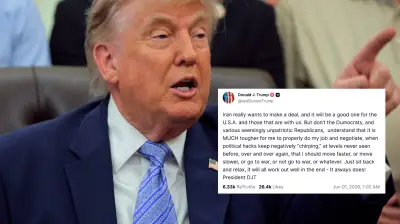
According to CNN reports, Khelif has since withdrawn from WBO events, with sources suggesting the boxer has become a lightning rod for broader culture wars in sports. The athlete's situation has attracted attention from powerful political figures, including former U.S. President Donald Trump, who referenced Khelif's Olympic victory when justifying restrictions on certain athletes under the executive order "Keeping Men Out of Women's Sports."

Athlete's Response to Political Instrumentalization

Khelif has expressed frustration with being drawn into political battles that extend beyond athletic competition. In statements to CNN, the boxer clarified her position and identity while appealing for respect and privacy.

"I'm not transgender. I'm a woman. I want to live my life... Please do not exploit me in your political agendas," Khelif stated emphatically.

The athlete's comments highlight the personal impact of being caught between scientific discussions about biological variations and political debates about gender in sports. Khelif maintains that her primary focus remains athletic excellence rather than serving as a symbol in broader societal conversations.

Implications for Future Olympic Competition

The WBO's testing policy may influence broader international sports governance as the world looks toward the 2028 Olympics in Los Angeles. International Olympic Committee president Kirsty Coventry has spearheaded an initiative she describes as "protecting the female category" in sports, suggesting potential changes to existing frameworks.

Currently, the IOC operates under a 2021 framework emphasizing "fairness, inclusion and non-discrimination on the basis of gender identity and sex variations." This document includes provisions that no athlete should be prevented from participating based on alleged competitive advantage without substantial evidence.

However, Coventry indicated in a June 2025 BBC interview that there is growing support for regulatory updates: "We understand that there'll be differences depending on the sport... but it was very clear from the members that we have to protect the female category, first and foremost to ensure fairness."

Khelif's Willingness to Comply with Future Requirements

Despite the controversy surrounding her biological characteristics, Khelif maintains there is nothing to hide regarding her genetic profile or athletic preparation. The boxer has expressed willingness to comply with any testing requirements established by international sports bodies.

"Of course, I would accept doing anything I'm required to do to participate in competitions," Khelif affirmed. "They should protect women, but they need to pay attention that while protecting women, they shouldn't hurt other women."

This nuanced position acknowledges the complexity of establishing fair competition standards while avoiding unintended consequences for athletes with natural biological variations. As sports organizations grapple with evolving scientific understanding and social perspectives, cases like Khelif's will likely continue to shape policies and conversations about gender, biology, and athletic competition for years to come.