Woodbine Racetrack Launches 71st Season Amid Industry-Wide Uncertainty
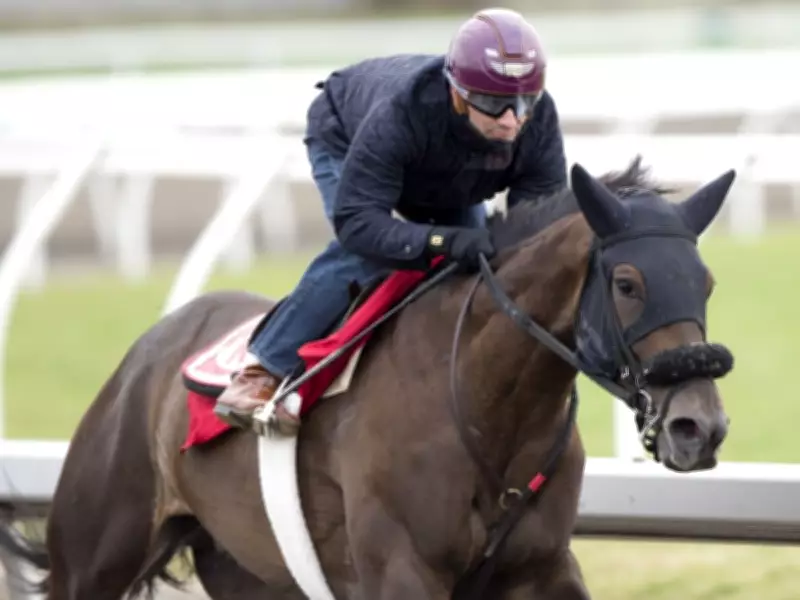
As spring arrives, the familiar sound of the starting gate at Woodbine Racetrack signals the dawn of a new thoroughbred season. However, this year's opener is shadowed by a pervasive sense of uncertainty that is creeping into the horse racing world both locally and globally.
Lower Entries and Economic Realities
The 71st season at Woodbine kicked off on Saturday afternoon, marking the first of 128 scheduled racing days. Traditionally, this event draws a robust field of horses returning from wintering in the southern United States. Yet, this year, only 45 horses were entered across seven races on opening day, with just 40 entries for Sunday's seven-race card. These numbers are notably lower than usual, especially when the first purses of the year are at stake.
While entries are expected to increase as the season progresses, particularly with the anticipated September opening of the renovated E.P. Taylor turf course, the trend of declining horse populations in North American racing persists. This decline is driven by harsh economic realities and heightened competition from other forms of entertainment, pushing the sport further toward irrelevance.

Closures and Challenges Across North America
The winter proved particularly tough for Canadian racing. In January, horse racing ended at Hastings Park after the British Columbia government withdrew a $10-million share of slot revenues. With Fraser Downs halting its harness operation last summer, Vancouver's horse racing legacy concluded after 136 years.
Further east, on April 2, U.S.-based Hard Rock Hotel and Casino announced the cessation of harness racing at Rideau Carleton Raceway, ending a run in Ottawa that began in 1962. These closures have severely impacted livelihoods, leaving many who depended on racing for income in a precarious position.
In the United States, the outlook remains bleak. Southern California horsemen, who lack supplemental revenue sources, face a shortage of horses per race, potentially leaving venues like Santa Anita with only a few years of operation remaining. In South Florida, horsemen secured a temporary victory when the state legislature rejected a bill allowing thoroughbred tracks to close while retaining casino licenses, but future attempts to end racing at Gulfstream Park loom on the horizon.
Frustrations Among Horseplayers
Horseplayers are growing increasingly disenchanted with the sport. Computer-assisted wagering syndicates, capable of manipulating betting pools in the final seconds before a race, continue to frustrate casual bettors seeking fair odds. Additionally, social media has highlighted concerns over the day-to-day quality of racing, alienating many long-time enthusiasts.
Changes at Woodbine: New Faces and Retirements
Despite the challenges, racing continues at Woodbine, albeit with a reshuffled roster of key players. Local trainer Martin Drexler, with over 900 career wins, announced his departure in March, citing rising operating costs that could no longer be balanced by client fees.
The training ranks also see significant retirements. Roger Attfield concluded a 69-year career, amassing 2,000 wins, including eight Queen's/King's Plates, and earning induction into both the Canadian and U.S. racing Halls of Fame. Norm McKnight retired at the end of the 2025 season with over 1,000 wins. Meanwhile, trainers Mark Casse and Kevin Attard, already dominant in starters and wins, are poised to battle for the trainer title once again.
In the jockey arena, Hall-of-fame rider Patrick Husbands returns to Woodbine after retiring from racing in Barbados. He will face stiff competition from Pietro Moran, Rafael Hernandez, and newcomers like Ruben Silvera and Romero Maragh from the New York circuit, along with Prayven Badrie, last year's leading rider at Assiniboia Downs.
Season Details and Major Race Days
The first-race post time for the initial two weekends is set at 1:20 p.m., shifting to 1 p.m. starting in May. Friday cards commence on May 8, with Thursday racing beginning June 11 at 3 p.m. Opening day promotions include free programs and a racing calendar, along with a mandatory payout of a $61,000 carryover in the Power Pick 6 due to a racing cancellation last year.

Key race days in 2026 feature highlights such as the North America Cup on June 13, the Selene and Marine Stakes on June 27, the Woodbine Oaks and Plate Trial Stakes on July 19, and the 167th running of the King's Plate on August 15. The season culminates with events like the Canadian International on October 3, offering potential Breeders' Cup qualifiers.
As Woodbine embarks on this new season, the sport of horse racing stands at a crossroads, grappling with economic pressures and shifting interests that threaten its longstanding traditions.