A powerful movement is gaining momentum in the world of sports, challenging the long-standing norms of women's athletic uniforms. The conversation, ignited by high-profile athletes, centers on comfort, performance, and autonomy over sexualization.
The Catalyst: A Star's Candid Complaint
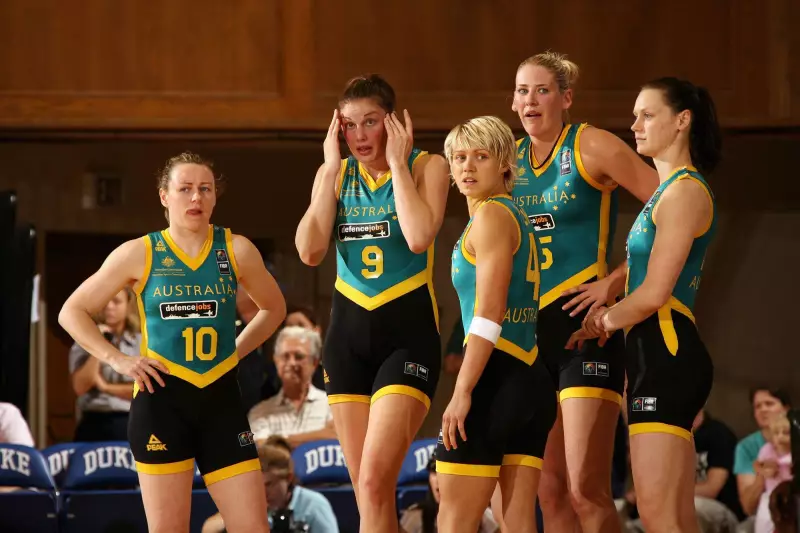
The issue was thrust into the spotlight by Australian basketball phenom Erin Phillips. The athlete, identifiable by her number 4 jersey, spoke out with striking candor about the experience of wearing the mandated bodysuits for the Australian national team. Her description was visceral: "You put the top on and your life is sucked out of you." This statement, made public in December 2025, has resonated with female athletes globally, giving voice to a widespread but often unspoken frustration.
Phillips's critique goes beyond simple discomfort. It highlights a fundamental disconnect between the apparel provided and the physical demands of elite sport. The complaint suggests that the uniforms are designed with aesthetics prioritized over athletic performance, potentially hindering an athlete's ability to compete at her peak.

Beyond Aesthetics: Performance and Practicality
This is not merely a fashion debate. For professional athletes, their kit is essential equipment. The fight for uniform reform is deeply rooted in practical and performance-related concerns. Restrictive, ill-fitting, or impractical clothing can directly impact an athlete's range of motion, breathability, and overall focus during competition.
The movement advocates for a athlete-centered design approach. This means involving the women who will wear the uniforms in the design process, prioritizing materials that enhance performance, and creating styles that suit the specific physical requirements of the sport. The goal is to shift the paradigm from uniforms designed for women athletes to uniforms designed with them.
A Global Conversation on Autonomy and Respect
The outcry led by figures like Erin Phillips is part of a broader, international dialogue about the treatment of women in sports. It intersects with ongoing discussions about pay equity, media coverage, and the pervasive sexualization of female athletes. The uniform becomes a symbol of a larger struggle for control and respect over one's own body and professional presentation.
As this advocacy grows, it pressures sports federations, leagues, and apparel manufacturers to re-evaluate their standards. The call is for uniforms that empower rather than restrict, that respect the athlete as a competitor first. The fight to change women's sports uniforms is, at its core, a fight for dignity, performance, and the right to feel powerful in one's own skin on the world stage.