Alberta Gun Show Emerges as Focal Point for Separation Sentiment
The Camrose Gun and Sportsman Show, held at the Camrose Regional Exhibition Grounds from February 6 to 8, 2026, became more than just a marketplace for firearms enthusiasts. It transformed into a gathering point for Albertans expressing growing discontent with federal policies and increasing support for provincial independence.
Petition Drive Greets Attendees at Entrance
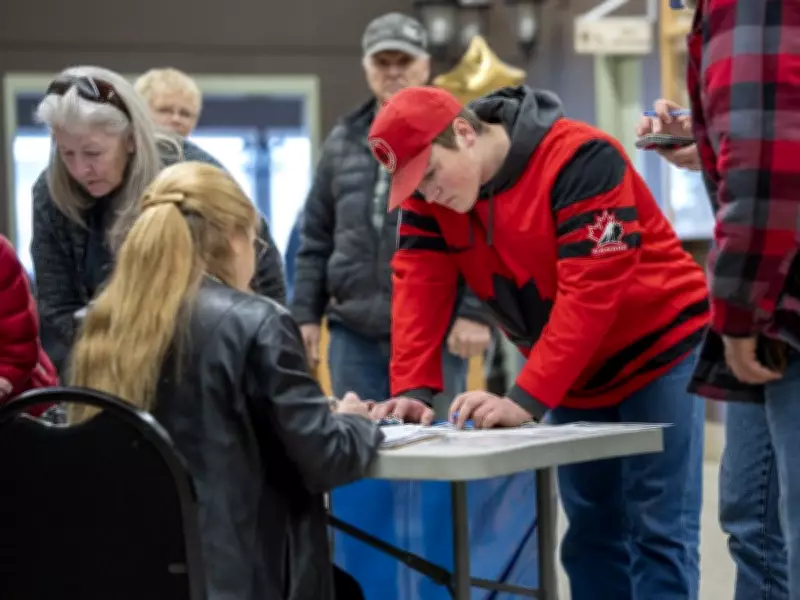
Visitors to the show, located approximately 100 kilometres southeast of Edmonton in Conservative Leader Pierre Poilievre's federal riding, encountered a political statement before even paying the $10 admission fee. A prominently placed table invited attendees to sign the Stay Free Alberta petition, which advocates for an official provincial referendum on separation from Canada.
Throughout the afternoon, steady traffic flowed to the petition table as anti-Ottawa sentiments echoed through the exhibition space. The movement has gained traction through town halls across Alberta, with lawyer Jeffrey Rath emerging as one of its most vocal proponents.

Firearms Collectors Voice Constitutional Concerns
Jay Aschenbrenner, an antique firearms collector from Chestermere, displayed a unique 19th-century black cane that converts into a firearm—a relic he noted would be considered a concealed weapon under current Canadian regulations but remains legal as an antique.
"With the way things have been going, I would like things to be different," Aschenbrenner stated. "Some kind of change or difference is needed. I've been listening to Jeffrey Rath talk about separation. He makes a lot of really good points that I don't disagree with."
Aschenbrenner expressed particular concern about federal firearms regulations affecting legal gun owners. "Some of the biggest concerns right now is the taking away of our rights to legally possess the things that we were allowed to have before," he explained, gesturing toward his collection of antique firearms. "These are investments for people who want to preserve history."
Veteran Expresses Profound Shift in Loyalty
Kyle Wilson, a Canadian Forces veteran who trained thousands of troops at CFB Wainwright and now works as a firearms collector in Edmonton, articulated a dramatic change in perspective. "I'm a veteran, I did my duty. I absolutely loved Canada, but I think Canada, especially the last 10 years, has changed," Wilson revealed. "I think Alberta's been abandoned in a lot of ways."
Wilson specifically criticized federal gun legislation that banned over 1,500 "assault-style" weapons and established a government buy-back program for firearms. Like many at the show, he views these measures as infringements on rights rather than public safety initiatives.
Historical Artifacts and Contemporary Political Tensions
The gun show featured numerous historical firearms that collectors argue represent important cultural heritage. Many attendees expressed concern that tightening regulations could prevent them from preserving or selling family heirlooms and historical artifacts.
"Maybe something like this was in your family for a bit, maybe you were in a war, or had a grandparent in the war," Aschenbrenner reflected. "You have things that were handed down to you. You wouldn't want to lose these things, or have the right to use these things so you can provide for yourself. I think that's something nobody should lose the right to do, especially if you're educated in firearms."
Growing Movement with Deep Roots
The separation sentiment at the Camrose Gun Show reflects broader political currents in Alberta, where dissatisfaction with federal policies—particularly regarding natural resources, equalization payments, and firearms regulation—has fueled independence movements for decades. The Stay Free Alberta campaign represents the latest organized effort to channel this discontent into political action.
As Landen Innocent, 19, demonstrated when he came specifically to sign the separation petition, the movement attracts supporters across generations. The convergence of historical firearms collecting and contemporary political activism at the Camrose event illustrates how cultural identity and constitutional concerns are increasingly intertwined in Alberta's political landscape.