Trump's Gold Medal Celebration Caps Politically Charged Milano-Cortina Olympics
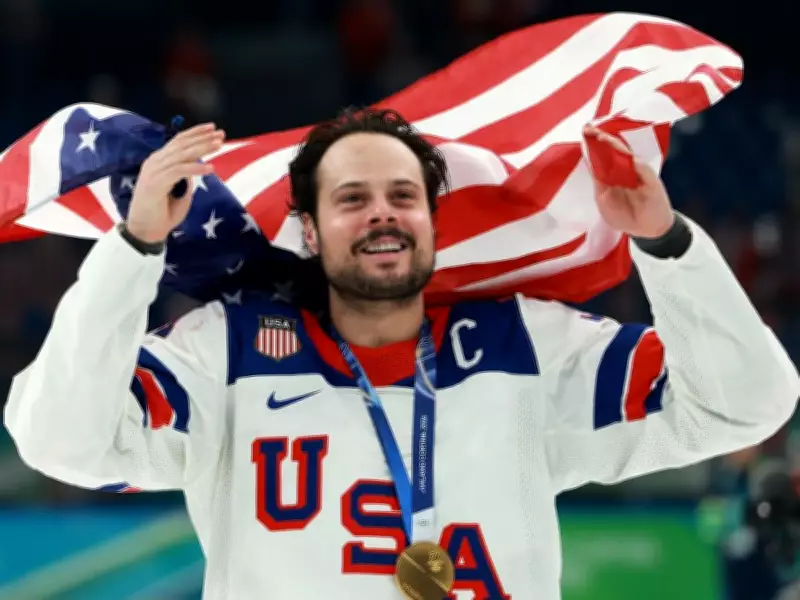
Team USA hockey captain Auston Matthews and players Jack and Quinn Hughes could not contain their giggles when asked about the video call they had just received from U.S. President Donald Trump. The call came shortly after the American team secured the Olympic gold medal in men's hockey at the 2026 Winter Games in Milano-Cortina, marking a moment of triumph intertwined with political undertones.
A Presidential Congratulation
Matthews, who will return as captain of the Toronto Maple Leafs after the Olympics, initially laughed off questions about the conversation with Trump before adopting a more serious tone. "I mean, we're all proud Americans, obviously, and this is a huge moment for us," Matthews stated. "It's a huge moment for the United States. He called and just congratulated us."
The team captain emphasized the honor of representing the United States and winning the gold medal, a feat not accomplished by the U.S. men's hockey team since the famous "Miracle on Ice" in 1980. "To go home with the gold medal... you know how much that means to the guys in this room and how much it means to know all the people watching and rooting us on too," he added.

Social Media Celebrations and Travel Plans
Following the dramatic 2-1 overtime victory against Canada, Trump took to his social media platform, Truth Social, to express his pride. "Congratulations to our great U.S.A. Ice Hockey team. THEY WON THE GOLD. WOW!" he posted immediately after the game. Within minutes, he added "WHAT A GAME!!!" and "LOTS OF WINNING!!!" in subsequent posts.
Matthews hinted that the team might make a detour before resuming their regular NHL seasons, though he did not confirm whether a White House visit was planned. "I think there's a lot of moving parts, as far as our travels back home, but, yeah, we'll kind of see what happens," he said cryptically.
Political Undercurrents Throughout the Games
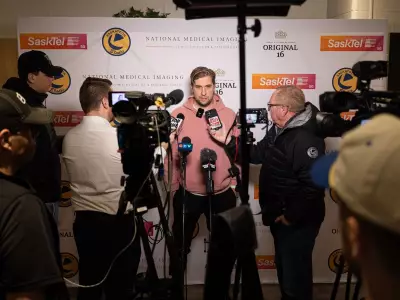
The gold medal celebration brought closure to a Winter Olympics that had been marked by political tensions for American athletes. U.S. coach Mike Sullivan revealed the presidential call during a post-game press conference, noting that the game had served as "an inspiration to our country" with significant viewership, including from the President.
While most U.S. athletes avoided discussing controversial domestic issues such as ICE raids in Minneapolis and violent clashes with protesters that dominated headlines early in the Games, some faced consequences for speaking out. U.S. freestyle skier Hunter Hess admitted to having "mixed emotions" about representing Team USA, explaining that "just because I wear the flag, it doesn't mean I represent everything that is going on in the U.S."
Controversial Reactions and Team Pride
Hess's comments sparked a political firestorm, with Trump calling him a "real loser" who "shouldn't have tried out for the Team." Former U.S. hockey captain Mike Eruzione, from the 1980 gold medal team, also criticized Hess, suggesting he shouldn't wear the Team USA uniform if he preferred to represent his family and friends instead.
Despite the controversy, Hess stood by his statements after what he described as "probably the two hardest weeks of my life," asserting, "I stand with what I said. I love the United States of America."
Other athletes maintained focus on their Olympic achievements. U.S. forward Matthew Tkachuk, who had visited the White House with Florida Panthers officials just before the Games, expressed pure pride in representing his country. "I'm just so proud to represent the greatest country in the world with these guys, and it's an honour to wear this," he said of his jersey. "And the only sad part is it ends after this."
Ceremony Reactions and National Support
The political atmosphere was palpable even during ceremonial events. Vice President JD Vance was booed when he appeared on the big screen at San Siro Stadium during the Opening Ceremony, though U.S. athletes themselves received enthusiastic cheers from the crowd.

As the Milano-Cortina Games concluded, the intersection of sports and politics remained evident. The gold medal victory provided a unifying moment for Team USA, yet the celebrations occurred against a backdrop of divided opinions and political commentary that extended from the ice rink to the highest levels of government.