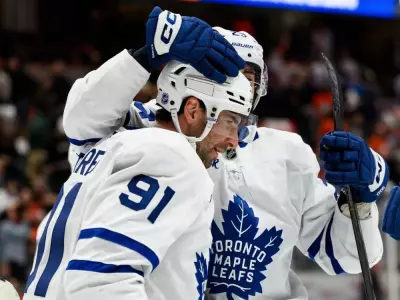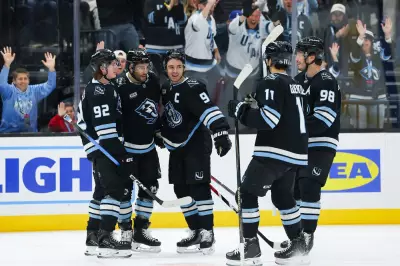
For hockey fans, the numbers on the backs of NHL jerseys are instantly recognizable identifiers of their favourite players. But the stories behind how those athletes came to wear those specific digits are often deeply personal, involving family legacy, superstition, or simple persistence.
More Than Just a Number
The selection of a jersey number in the National Hockey League is rarely a random choice. For many players, it is a meaningful decision that connects them to their past, their family, or their aspirations. Unlike in some sports where numbers are assigned by position, NHL players often have significant input, especially established stars and veterans.
These numbers become part of a player's identity, immortalized on merchandise and in highlight reels. The process of securing a desired number can involve negotiation, respect for team veterans, and sometimes, a compelling personal story that convinces a teammate to relinquish it.

Stories from the Dressing Room
While the original article did not detail specific player anecdotes beyond the photo caption, the journey to a jersey number typically follows several common paths. Many players choose numbers that honour a family member, such as a parent or sibling who also played hockey. Others select digits they wore during successful junior or minor hockey careers, hoping to carry that luck forward.
Some players aim for a number worn by a childhood idol, paying homage to the legends who inspired them. In other cases, a player's preferred number might already be taken by a veteran teammate when they join a club. This can lead to respectful negotiations or the need to choose an alternative, at least temporarily.
The phrase "He didn't want to give it up" from the headline hints at these occasional negotiations within a team's locker room dynamics. A rookie or new acquisition may covet a number held by a longstanding team member, leading to a discussion about its significance to both parties.
The Evolution of Number Choices
Jersey number trends in the NHL have evolved significantly over the decades. In the league's early days, players typically wore numbers 1 through to about 20, often corresponding to their position. Today, the range is far broader, with stars like Connor McDavid wearing 97 (reportedly a nod to his birth year, 1997) and others selecting high digits that hold personal meaning.
This modern flexibility allows for greater personal expression. The numbers seen on the ice now tell a more individual story. For example, a player might combine the numbers of two influential people in their life or choose a number that represents a significant date.
The commitment to a number can be strong. Once a player establishes their professional identity with a specific digit, changing it is uncommon, further cementing the bond between the athlete and the number on their back.
While the specific tales behind Edmonton Oilers' Zach Hyman (18) and Evan Bouchard (2) were not elaborated in the source material, their choices, like McDavid's, undoubtedly have origins that are important to them. These decisions, made by players across the league, transform simple digits into symbols of personal history and professional identity on the ice.