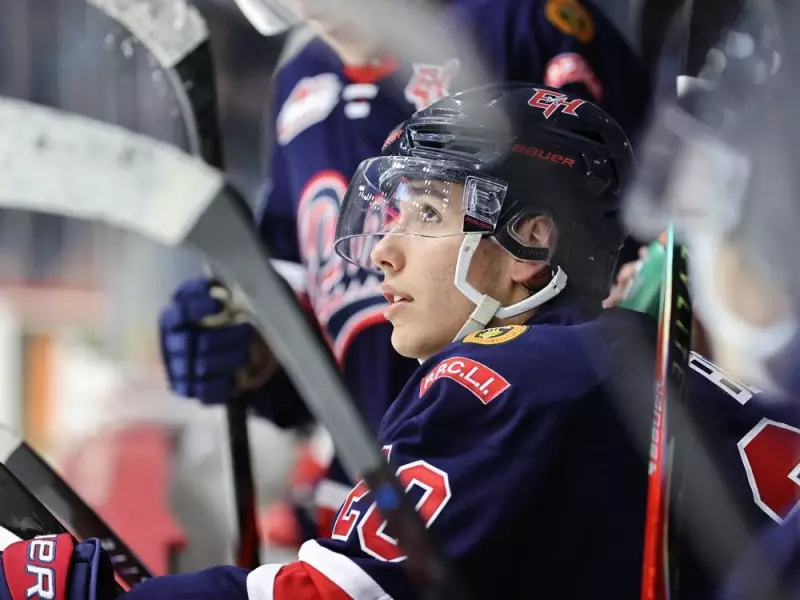
Regina Pats forward Connor Bear is back on the ice, his return to the Western Hockey League lineup marking the end of a deeply personal and medically frightening two-month journey. The 18-year-old's comeback on December 5 was more than just a return to sport; it was a triumph over a health scare that hit painfully close to home, coming four years after the tragic loss of his older brother.
A Frightening Feeling on the Ice
In September, shortly after the Pats' third game of the season, Connor Bear knew immediately that something was not right. During a routine practice, the young athlete from Ochapowace Nation felt an unusual and persistent sensation in his chest. "I was just skating on the ice and I felt my heart beat in my chest more than I normally would," Bear recounted. "It was repetitive and kind of a tight feeling."
Acting with a caution born of profound family experience, Bear immediately left the ice. His brother, Carter, had collapsed and died four years prior while playing hockey on an outdoor rink. Connor sought out the team's athletic therapist, Cole Stevens, who performed a quick check. The reading was alarming: Bear's heart rate was 165 beats per minute while he was sitting completely still.

Facing Fears and Finding a Diagnosis
With his brother's posthumously diagnosed heart condition—hypertrophic cardiomyopathy—weighing heavily on his mind, Bear went straight to the hospital for comprehensive evaluation. The initial fear was that he might have inherited the same condition. After a week of isolation and extensive testing at Regina General Hospital, doctors delivered crucial news.
Connor Bear did not have hypertrophic cardiomyopathy. Instead, the tests revealed he was battling a strain of COVID-19 that was directly affecting his heart muscle. The diagnosis, while serious, came with a path to recovery. Doctors ordered a full month of rest, prohibiting any skating or working out to allow his heart to heal.
A Gradual and Monitored Road to Recovery
November brought a follow-up appointment with a cardiologist, who cleared Bear to begin a carefully staged return to activity. "He said I'm good to go; I can start skating and working out, but I have to go through levels to get back to where I am now," explained the 5-foot-9, 165-pound forward.
His rehabilitation was methodical and closely watched. Bear was fitted with a heart monitor worn on his forearm to track his vitals in real-time. His return to the ice was governed by strict heart rate limits: 100 beats per minute in the first week, increasing to 120 in the second. This phased approach ensured his safety every step of the way.
A New Perspective Forged in Adversity
Now back with the Pats for his second full season after being acquired from the Calgary Hitmen, Bear carries a renewed perspective. The ordeal, framed by the memory of his brother, has underscored the fragility and importance of health. His successful return is a testament to modern sports medicine, proactive care, and personal resilience.
For Connor Bear, every shift on the ice now represents more than just a hockey game. It is a hard-won opportunity, a tribute to his brother's memory, and a powerful reminder to listen to one's body, no matter the circumstance.