McDavid and MacKinnon Echo Gretzky-Lemieux Era in Olympic Hockey
When Team Canada secured gold at the 2010 Winter Olympics in Vancouver, their top centres were Sidney Crosby, Jonathan Toews, and Ryan Getzlaf. Four years later in Sochi, the lineup remained anchored by Crosby and Toews. Today, the landscape has transformed dramatically, evoking memories of the 1987 Canada Cup tournament where Wayne Gretzky and Mario Lemieux, two of hockey's greatest scorers, shared the ice for Canada.
A Historic Partnership Unfolds
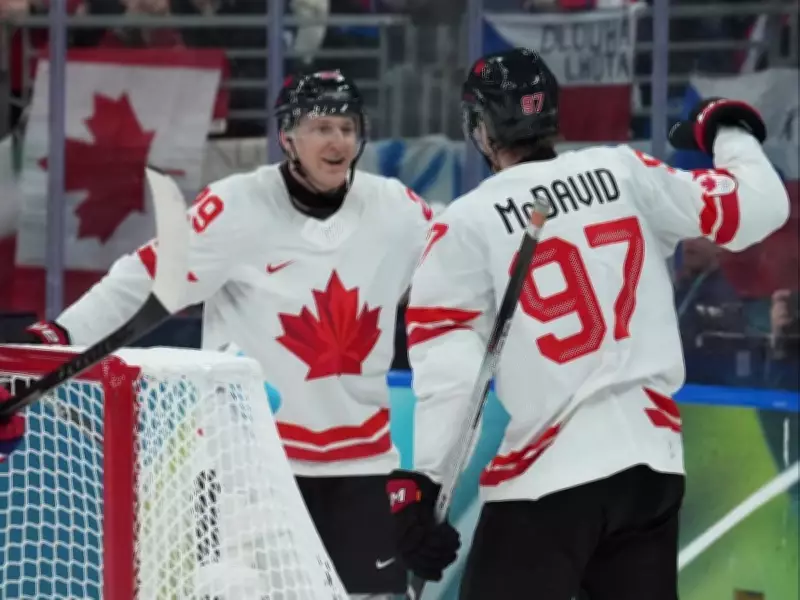
Coach Jon Cooper, a student of hockey history, is keenly aware of the iconic Gretzky-to-Lemieux overtime pass that clinched Canada's victory over the Soviet Union in what many consider the most thrilling tournament final ever. This legacy inspired the pairing of Connor McDavid and Nathan MacKinnon, who started Game 1 of the Olympics centring separate lines, with Crosby leading another. This trio represents arguably the strongest combination of centres in Canadian hockey history.
By early in Game 2 against Switzerland, McDavid and MacKinnon were united on the same line alongside the promising teenager Macklin Celebrini. The line proved nearly unstoppable, with McDavid's exceptional speed, vision, and passing complementing MacKinnon's powerful play, relentless energy, and formidable shot. Celebrini added strategic positioning, allowing his linemates to shine.

While Gretzky and Lemieux set the standard with their passing and shooting prowess, the dynamic between McDavid and MacKinnon—whether passing to each other or involving Celebrini or defenceman Cale Makar—may be unparalleled in Team Canada's storied history. This tournament marks just the beginning for these extraordinary talents.
Olympic Insights and Comparisons
McDavid has accumulated six points in two Olympic Games, with the record for most points in a best-on-best tournament held by Saku Koivu and Teemu Selanne at 11. The 1987 Canadian team not only featured Gretzky and Lemieux but also included centres like Mark Messier, Dale Hawerchuk, Doug Gilmour, and Brent Sutter, with Gretzky tallying 18 assists and Lemieux scoring 11 goals over nine games.
Beyond hockey, the Olympics raise questions about Canada's standout stars. Figures like Catriona LeMay Doan, Clara Hughes, or Charles Hamelin seem absent, alongside unexpected victories such as Kerrin Lee-Gartner's downhill win or Chandra Crawford's cross-country gold. In women's hockey, the growth of the PWHL is strengthening American and Canadian players, potentially solidifying it as a two-country sport globally.
From a media perspective, the speed of Olympic hockey is breathtaking up close, as experienced in Sochi where seating near the ice offered a visceral view of players' expressions and on-ice communication, revealing the game in a new light.
Broader Sports Commentary
In baseball, Anthony Santander's shoulder surgery sidelines him for much of the 2026 season, raising questions about free-agent signings for the Toronto Blue Jays. The team's tendency to absorb bad contracts, like Jesus Sanchez from Houston, highlights ongoing roster challenges. Broadcasting changes see Joe Siddall likely joining Dan Shulman following Buck Martinez's retirement.
Hockey management insights reveal that great coaches don't always transition successfully to general manager roles, as seen with Barry Trotz. Effective GMs like Bill Zito and Jim Nill often lack NHL head coaching experience, while Kelly McCrimmon's junior hockey background in Brandon, Manitoba, contributed to his success with the Vegas Golden Knights.
In tennis, Burlington's Vicky Mboko, aged 19, is poised to break into the top 10 rankings, showcasing Canada's rising talent. Personal milestones include Steve Simmons' 40th year at the Toronto Sun, reflecting on a career that began with a story about artificial turf at SkyDome.
Olympic and League Observations
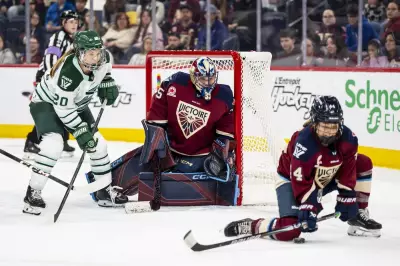
The PWHL's Toronto Sceptres, managed by Gina Kingsbury and coached by Troy Ryan, struggle with scoring and defence, casting doubt on Team Canada's women's hockey prospects after a loss to Team USA. Figure skating's cruelty is evident in falls by Kurt Browning and Ilia Malinin, while innovations like the 'tush push' in football trace back to short-track speed skating relays.

Junior hockey rankings overlook notable players like Mike Vernon and Gilbert Perreault, favouring NHL accomplishments. In the NBA, Chris Paul's Hall of Fame candidacy is assured, but tanking by underperforming teams mars the regular season. LeBron James' potential retirement looms, contrasting with Sidney Crosby's enduring performance.
Television ratings in Canada heavily feature Blue Jays playoff games, with the Super Bowl halftime show, like Bad Bunny's performance, often drawing larger audiences than the game itself. The Seattle Seahawks' defence in the Super Bowl recalled the Chicago Bears' dominance in Super Bowl XX, emphasizing strategic play over speed.
As the gold-medal hockey game approaches, fans anticipate a historic showdown. Remembering broadcasters like Jim Robson, who passed away at 91, underscores the sport's rich legacy. Controversial Olympic additions, such as mixed doubles curling and team figure skating, spark debate over their relevance.
Birthday acknowledgments include Jaromir Jagr and Drew Bledsoe, while reflections on athletes like Breezy Johnson highlight how major events can overshadow individual achievements. The best passes at the Olympics, from Mitch Marner to Abbey Murphy, showcase the skill defining this competitive era.