Maple Leafs Part Ways with General Manager Brad Treliving
In a decisive move that signals major organizational change, the Toronto Maple Leafs have terminated general manager Brad Treliving following what has been described as the most discouraging season in over a decade for the storied franchise. The dismissal came Monday night as CEO Keith Pelley determined he could not endure another disappointing campaign.
A Season of Unfulfilled Expectations
While it may be convenient to place all blame squarely on Treliving's shoulders for the Maple Leafs' current predicament, the reality reveals a more complex situation. The general manager certainly bears responsibility, but he was far from alone in contributing to this season's failures. Coaches, players, and advisors all played roles in the team's underwhelming performance.
Unlike perennial strugglers like the Buffalo Sabres, Toronto hasn't endured extended playoff droughts. However, as this season progressed, it became painfully evident that the roster lacked the necessary components to seriously contend for the Stanley Cup—a troubling reality with uncertain implications for the future.

From Promise to Disappointment
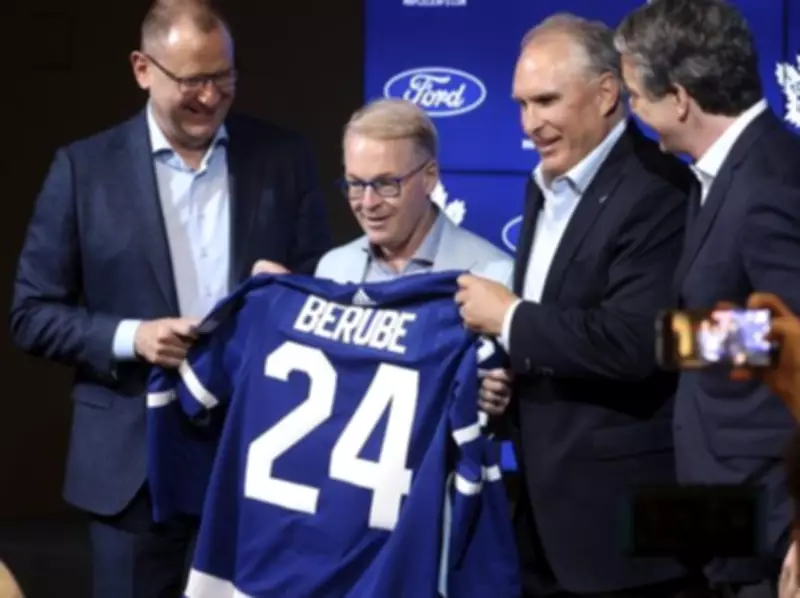
Just one year ago, under Treliving's leadership with Craig Berube behind the bench, the Maple Leafs appeared poised for greatness. They held the eventual two-time Stanley Cup champion Florida Panthers on the ropes during the playoffs, leading their series 3-0 after winning the first two games. The team demonstrated genuine championship potential during that brief but promising period.
Treliving, widely regarded as an honorable professional, was originally hired by president Brendan Shanahan with explicit instructions to deliver the Stanley Cup. Shanahan believed the necessary talent existed within the organization and that Treliving's emphasis on size and physicality could achieve what previous GM Kyle Dubas could not.
Execution Failures and Miscalculations
The plan for this season wasn't inherently flawed, but its execution proved disastrous. Treliving anticipated having a goaltending tandem among the NHL's elite, but personal circumstances sidelined Joseph Woll at the season's start, and Anthony Stolarz—who had previously troubled the Panthers—succumbed to injury once again. Without reliable netminding, the team's foundation crumbled.
Perhaps Treliving's most significant miscalculation involved the acquisition of defenceman Chris Tanev. While the contract terms weren't excessive, the duration proved problematic. When healthy, Tanev had transformed Toronto's defensive approach the previous season, forming an effective shutdown pairing with Jake McCabe. His absence this year created a substantial void.
Questionable Transactions and Asset Management
The general manager's pursuit of defensive partner Morgan Rielly led to the costly acquisition of Brandon Carlo from the Boston Bruins. In retrospect, Treliving significantly overpaid, surrendering a first-round pick and centre Fraser Minten for a player who underperformed, battled injuries, and now appears expendable.
Similarly, the trade for Scott Laughton represented another misstep. Recognizing that championship teams require formidable third lines, Treliving targeted Laughton at considerable expense. However, the forward never fully integrated with the team, eventually dropping to the fourth line before being traded for merely a third-round pick—a clear example of poor asset management.
Systemic Issues and Leadership Questions
The hiring of coach Craig Berube, while initially promising, ultimately failed to produce the desired results. Compounding these issues, star players Auston Matthews and William Nylander consistently underperformed during critical playoff moments, despite their substantial contracts and expectations.
Through what was once termed the "Shanaplan," the Maple Leafs have now cycled through three head coaches and three general managers, with a fourth soon to join the organization. The core high-priced talent has repeatedly disappointed when it mattered most, raising fundamental questions about the team's direction.

Looking Toward an Uncertain Future
The search for a new general manager begins immediately, if it hasn't already commenced behind the scenes. Toronto must now determine whether to retain their current coaching staff, reevaluate their star players' roles, and address significant roster depth deficiencies.
Treliving, who never shied away from acknowledging this season's failures, genuinely believed he could rectify the situation given another opportunity. However, Pelley lacked either the patience or confidence to grant that chance, opting instead for a fresh start as the Maple Leafs confront another pivotal offseason.