Italian Soccer's Enduring World Cup Nightmare After Third Consecutive Failure
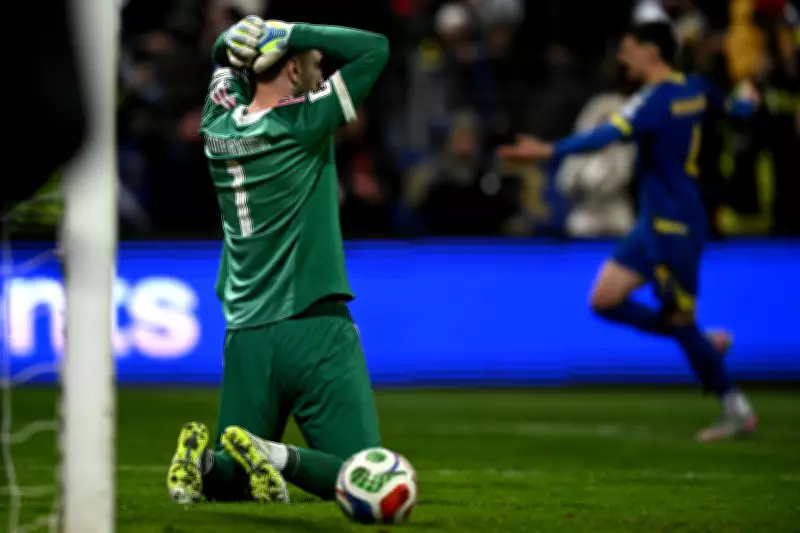
The Italian national soccer team is trapped in a recurring nightmare from which it cannot awaken, following its third consecutive failure to qualify for the FIFA World Cup. This unprecedented streak of disappointment has plunged the nation's football community into a state of deep crisis and introspection, raising urgent questions about the future of the sport in Italy.
A Historic Decline in International Football
Italy, a four-time World Cup champion with a rich history in international football, now finds itself excluded from the global tournament for the third time in a row. This marks a dramatic fall from grace for a team once celebrated for its tactical prowess and defensive solidity. The latest qualification failure has intensified scrutiny on the structural issues plaguing Italian soccer, from youth development to managerial decisions.
The psychological impact on players and fans is profound, with many describing a sense of disbelief and despair. Analysts point to a combination of factors, including aging squads, inconsistent performances in crucial matches, and heightened competition from emerging football nations. The failure to secure a spot in the 2026 World Cup, following misses in 2022 and 2018, underscores a systemic problem that extends beyond individual tournaments.

Root Causes and Systemic Challenges
Experts identify several key areas contributing to Italy's World Cup woes. The domestic league, Serie A, while historically prestigious, has faced financial constraints and a talent drain, with top Italian players often seeking opportunities abroad. This has limited the pool of experienced internationals available for the national team. Additionally, managerial instability and frequent coaching changes have disrupted team cohesion and long-term planning.
Youth development programs, once a source of pride, are now criticized for failing to produce a new generation of world-class talent. The emphasis on tactical rigidity over creative flair has also been cited as a factor in Italy's inability to adapt to modern football's evolving demands. Comparisons with successful European rivals highlight a growing gap in innovation and player development.
Reactions and Future Prospects
The reaction from Italian media and fans has been one of frustration and calls for radical reform. Former players and pundits have voiced concerns that without significant changes, Italy risks becoming a peripheral force in international soccer. Proposals include investing in grassroots programs, revamping coaching methodologies, and fostering greater collaboration between clubs and the national federation.
Despite the gloom, there are glimmers of hope. Italy's victory in the 2020 UEFA European Championship demonstrated that the team can still compete at the highest level, but maintaining consistency remains a challenge. The focus now shifts to rebuilding and qualifying for future tournaments, with the 2030 World Cup looming as a critical target. The road to redemption will require patience, strategic vision, and a collective effort from all stakeholders in Italian football.
In conclusion, Italian soccer's nightmare of World Cup failures is a wake-up call for the sport's governing bodies. Addressing the underlying issues is essential to restore pride and competitiveness, ensuring that Italy once again becomes a formidable contender on the global stage.