In 2003, Brigitte Pellerin published a book on Canada's public infrastructure, warning about the growing costs of deferred maintenance. Now, more than two decades later, she finds herself watching the same problem unfold in Ottawa—this time with a beer in hand at a public park.
Ottawa's Infrastructure Deficit
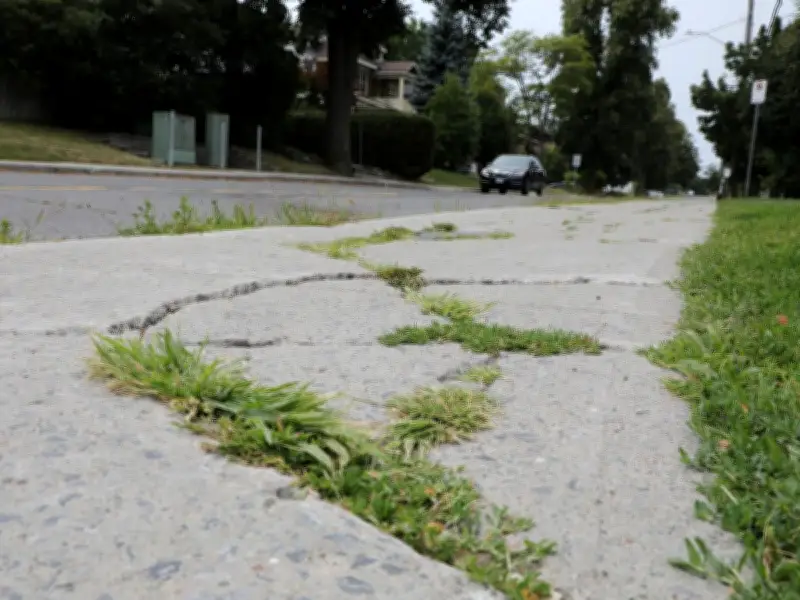
Ottawa's public infrastructure deficit stands at approximately $3.8 billion. This is the amount needed to bring roads, parks, sidewalks, and other assets up to acceptable standards—not to build new ones, but simply to maintain what already exists. However, the city plans to spend only $1.2 billion, meaning the gap will continue to widen.
The Boring Problem
Pellerin notes that infrastructure suffers from being "boring." Politicians prefer to highlight shiny new recreation centres or bridges rather than invisible sewers or roads that aren't leaking. This bias toward visible projects leaves essential maintenance underfunded.

Funding Debates
Municipal leaders are considering a 1 per cent levy that would add less than $50 annually to the average tax bill. Opinions are mixed, with some councillors like Shawn Menard concerned that funds might be diverted to "nice-to-have" projects like Lansdowne development rather than core repairs.
There's also a geographic divide: older infrastructure lies in older parts of the city, and suburban residents may resist paying for areas they rarely visit.
Creative Solutions?
Pellerin jokingly suggests trapping tourists in a maze or becoming stock market geniuses. The city has started investing long-term reserves in stocks, but it missed a 25 per cent market surge due to delays.
The Core Lesson
The lesson from Pellerin's book remains: badly needed repairs are deferred in favour of new construction. Ottawa must bite the bullet and fund maintenance now, rather than leaving future generations to deal with crumbling infrastructure.