Iran Engages FIFA in Discussions to Shift World Cup Match Locations
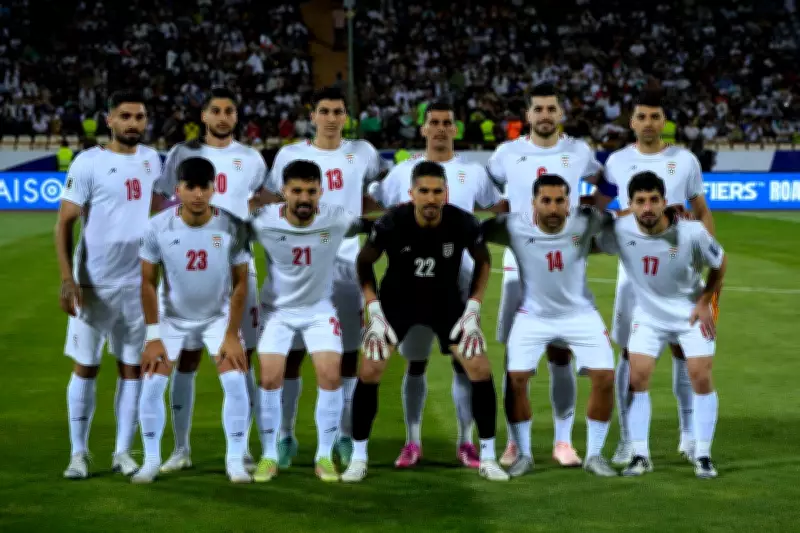
In a significant development for international sports, Iran's embassy in Mexico has officially confirmed that the nation is actively negotiating with FIFA, the global governing body of soccer, to move matches for the upcoming World Cup. This move comes amid escalating regional tensions and conflicts that have raised concerns about the safety and logistics of hosting games in certain areas.
Geopolitical Context Influencing Sports Decisions
The negotiations highlight how geopolitical instability can directly impact major sporting events like the World Cup. With ongoing conflicts in the Middle East disrupting global affairs, including shipping routes and energy markets, sports authorities are being forced to reconsider venue arrangements to ensure the safety of players, officials, and fans.
These discussions are not unprecedented, as FIFA has historically adjusted tournament plans in response to political or security issues. However, the current talks underscore the broader challenges of organizing international events in a volatile global landscape.

Potential Implications for the 2026 World Cup
If the negotiations succeed, it could lead to significant changes in the match schedule and locations for the 2026 World Cup, which is set to be hosted across multiple countries. Iran's participation and the placement of its games are now under scrutiny, with possible relocations to neutral or safer venues being considered.
This situation mirrors broader trends where sports and politics intersect, affecting everything from athlete participation to event logistics. The outcome of these talks could set a precedent for how future tournaments handle similar geopolitical pressures.
Broader Impact on Global Sports Diplomacy
The negotiations between Iran and FIFA also reflect the role of sports as a diplomatic tool. By engaging in these discussions, both parties are navigating complex international relations while aiming to preserve the integrity and inclusivity of the World Cup. This move may influence how other nations approach sports diplomacy in times of conflict.
As the situation evolves, stakeholders will be closely monitoring any announcements from FIFA or Iranian officials regarding final decisions on match relocations. The resolution of these talks could have lasting effects on the tournament's organization and the broader relationship between sports and global politics.