Iran Engages FIFA in Discussions to Alter World Cup Match Locations
Iran's diplomatic mission in Mexico has officially disclosed that the nation is actively negotiating with FIFA, the global governing body of soccer, to relocate matches scheduled for the 2026 World Cup. This development emerges against a backdrop of heightened regional tensions and security apprehensions, which have prompted Iranian authorities to seek alternative venues for their team's participation in the prestigious tournament.
Background and Motivations for the Request
The negotiations, confirmed by the Iranian embassy, are driven by multifaceted concerns, including the ongoing geopolitical conflicts in the Middle East that have fueled global uncertainty. Recent incidents, such as attacks in Nigeria and disruptions to shipping routes due to the Iran conflict, underscore the volatile environment. Iranian officials argue that these factors necessitate a reassessment of match locations to ensure the safety of players, staff, and fans.
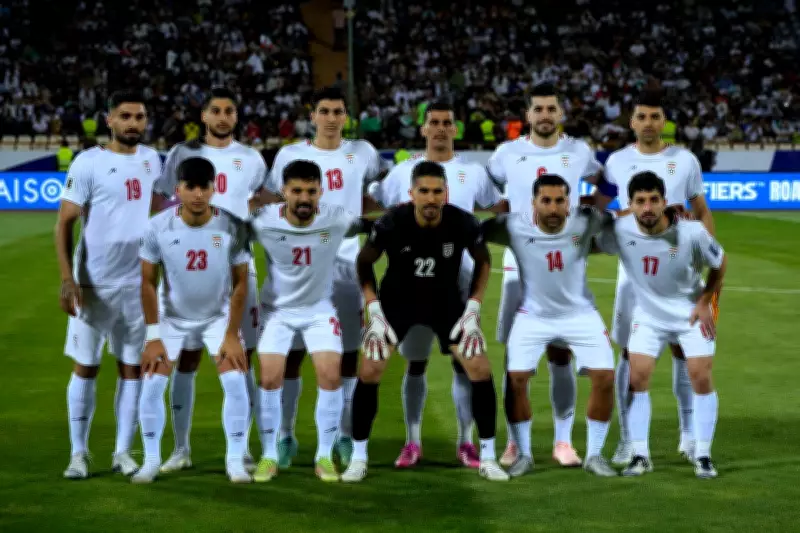
In June 2025, Iran's national team played a qualifying match against North Korea at Azadi Stadium in Tehran, as captured in an AP photo, highlighting their active involvement in World Cup preparations. However, the current talks indicate a strategic pivot, with Iran pushing for venues perceived as more secure and neutral.

Implications for the 2026 World Cup
If FIFA approves Iran's request, it could lead to significant logistical adjustments for the tournament, which is set to be hosted across multiple countries. This move parallels other international sports adjustments, such as Canada Soccer unveiling new World Cup jerseys and securing funding for youth initiatives, reflecting broader trends in sports diplomacy and security.
The discussions also intersect with global economic and political dynamics. For instance, gas price surges in Metro Vancouver linked to the Iran conflict illustrate how regional instability can have far-reaching effects, potentially influencing decisions in sports governance. Moreover, Canada's stance on assisting in the Middle East without offensive engagement, as noted by officials, adds context to the cautious approach surrounding international events.
Regional and Global Reactions
While Iran's embassy has not specified preferred alternative locations, the negotiations are likely to draw attention from other nations and sports organizations. Similar to how Venezuela rallied past Italy in the World Baseball Classic, showcasing international sports resilience, Iran's efforts highlight the complex interplay between athletics and geopolitics.
In related news, tensions in other sectors, such as the resignation of a celebrity chef prompting discussions on workplace culture, and federal funding cuts endangering environmental protection efforts, reflect a broader climate of uncertainty that may impact sports decisions. The use of AI in dieting and tracking, as reported in health studies, further emphasizes the evolving landscape of technology and security concerns.
As talks progress, stakeholders will monitor FIFA's response, which could set a precedent for how sports bodies address security in conflict-prone regions. The outcome may influence future tournaments and reinforce the importance of safety in international sports collaborations.