International Olympic Committee Prohibits Ukrainian Skeleton Athlete's Tribute Helmet
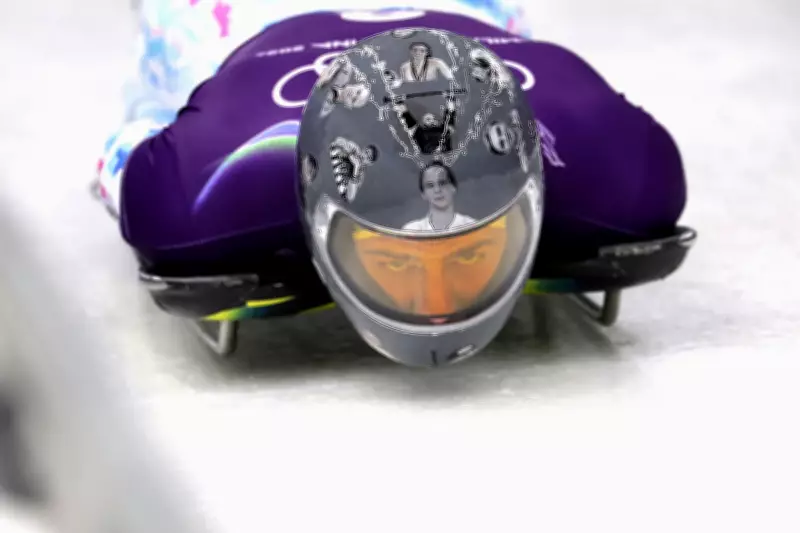
The International Olympic Committee has enforced a controversial decision, banning Ukrainian skeleton slider Vladyslav Heraskevych from wearing a specially designed helmet during competition. The helmet, which featured a poignant tribute to Ukrainian athletes who have lost their lives amid Russia's ongoing attack on Ukraine, has been deemed a violation of the IOC's strict neutrality policies.
A Symbolic Gesture Meets Institutional Resistance
Heraskevych, who has been training with the helmet, intended it as a solemn memorial to his fellow sportsmen and women who have perished during the conflict. The design, which included imagery and names honoring the fallen, was a personal statement of remembrance and resilience from the athlete. However, the IOC has maintained that such displays, while emotionally significant, contravene the organization's regulations against political statements at Olympic events.
This decision arrives at a particularly sensitive time, as international sports bodies continue to navigate the complex intersection of athletic competition and global geopolitical tensions. The ban underscores the ongoing debate about where the line should be drawn between personal expression and institutional neutrality in the world of elite sports.

Broader Implications for Athlete Expression
The ruling has sparked immediate discussion among sports commentators and human rights advocates. Many are questioning whether the IOC's stance adequately considers the extraordinary circumstances faced by athletes from conflict zones. The helmet was not merely a political slogan but a memorial to individuals from Heraskevych's own sporting community, blurring the lines between personal grief and political messaging.
This incident follows a pattern of similar controversies where international sports federations have grappled with how to handle expressions related to the Ukraine conflict. The IOC has previously issued guidelines restricting displays of support, but this specific case involving a memorial to deceased athletes presents a particularly nuanced challenge.
The Ukrainian skeleton team has not yet issued an official response regarding whether they will appeal the decision or if Heraskevych will compete with an alternative helmet design. The situation continues to develop, with many in the international sports community watching closely to see how this conflict between institutional policy and personal tribute will ultimately be resolved.