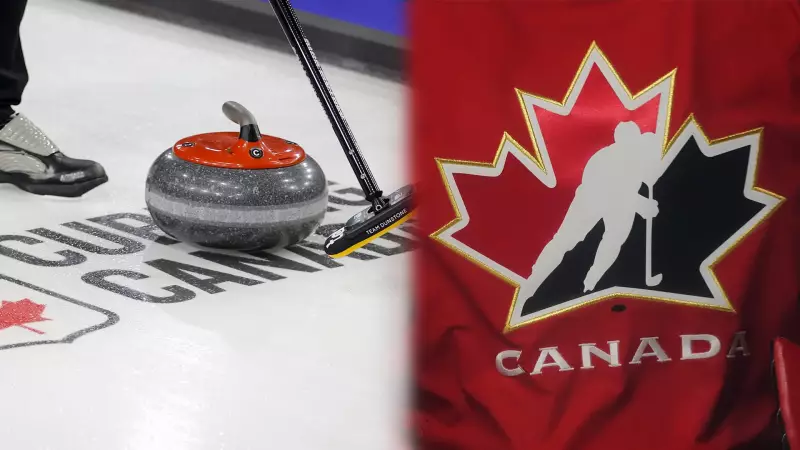
Canada's leading hockey and curling organizations have stated they will not emulate Skate Canada's controversial decision to cease hosting national and international events in Alberta. The move by the figure skating governing body, announced in December 2025, is a direct response to the province's legislation concerning gender and youth.
Sporting Bodies Take Divergent Paths
In a significant development for Canadian sport, Hockey Canada and Curling Canada have both confirmed they have no plans to alter their event hosting schedules in Alberta. This positions them in stark contrast to Skate Canada, which made headlines when journalist Rachel Aiello reported its new policy on December 17, 2025. The figure skating organization will no longer stage national championships, Grand Prix events, or other top-tier competitions in the province as long as the current laws remain in effect.
The decisions highlight a fragmented response within the national sport system to provincial policy. While Skate Canada has taken a firm stand it frames as aligning with its values of inclusion and safety for all participants, other major winter sport entities are opting for a different approach. Representatives from the hockey and curling federations have indicated their primary focus remains on delivering events for athletes and fans across the country, including in Alberta.
The Core of the Controversy
The catalyst for Skate Canada's boycott is Alberta's suite of gender-related laws, which have been a source of intense national debate. The policies include rules surrounding pronoun use in schools and restrictions on gender-affirming medical care for minors. Skate Canada's leadership determined that hosting events in a jurisdiction with these laws in place conflicted with its commitment to providing a safe and inclusive environment for its skaters, officials, and families.
The announcement, delivered just before the holiday season in 2025, sent ripples through the Canadian sporting community. It raised immediate questions about whether other sports, particularly those with deep roots in Alberta communities, would follow suit. The province is a traditional heartland for hockey and has hosted numerous major curling events, including the Brier and Tournament of Hearts.
Implications for Athletes and Events
The divergent strategies create an uneven landscape for athletes and event hosting. Skaters may now find fewer opportunities to compete in Alberta, while hockey players and curlers will continue to have events there as scheduled. This could potentially impact the travel schedules and competitive experiences of thousands of amateur and professional athletes.
Economically, the boycott's impact may be limited if confined to one sport. Alberta's cities, like Calgary and Edmonton, are accustomed to hosting large-scale sporting events that generate significant tourism revenue. The continued presence of hockey and curling tournaments will help maintain that economic activity. However, Skate Canada's absence removes a specific segment of high-profile international competitions from the provincial calendar.
The situation remains fluid, and pressure may mount on other organizations to publicly clarify their positions. For now, the schism between the national sport bodies underscores the complex challenge of navigating political and social issues while trying to unite the country through sport. The coming months will reveal whether this is an isolated stance or the beginning of a broader movement within Canadian athletics.