Czechia's Olympic Hockey Upset Bid: Underdogs Push Canada to Brink at 2026 Games
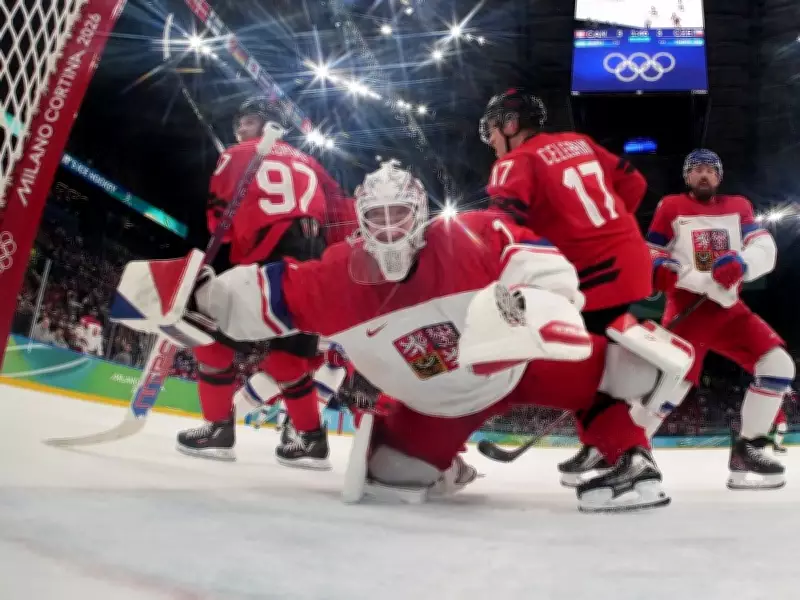
In a stunning display of determination and skill, the Czechia national hockey team came within minutes of pulling off one of the biggest upsets in Olympic history at the 2026 Milan-Cortina Winter Games. Despite operating with a fraction of Canada's resources and grassroots talent, the Czech squad pushed the hockey powerhouse to overtime in their quarterfinal matchup before ultimately falling 4-3.
A Nail-Biting Quarterfinal Showdown
The game at Milano Santagiulia Ice Hockey Arena saw Czechia hold a 3-2 lead late into the third period against a Canadian team stacked with NHL superstars. The underdog squad maintained their advantage until the final minutes, forcing the game into overtime where Canada finally secured the victory.
"We were so close to winning," lamented Czech winger Ondrej Kase after the heartbreaking loss. "Just three-and-a-half minutes from it and we lost it in overtime. It's tough."

Respect Earned Through Competition
Standing before reporters in the aftermath of the intense contest, NHL forward David Kampf reflected on what his team had accomplished against overwhelming odds. When asked if Czechia had shaken their Canadian opponents, Kampf responded with quiet confidence.
"I hope that they're gonna respect us," he stated. "That's how we competed today and that's what we did out there."
Goaltender Lukas Dostal echoed this sentiment, noting that despite statistical disadvantages, his team created significant scoring opportunities throughout the game. "Even though there was a slight shot difference, I still feel like they created our chances," Dostal explained. "And there were some moments where Canada was on their toes."
David Versus Goliath: The Resource Disparity
The near-upset becomes even more remarkable when considering the vast differences in hockey infrastructure between the two nations. According to International Ice Hockey Federation statistics, Czechia has just 27,141 registered players and 191 indoor rinks.
Canada, by comparison, boasts more than 585,000 registered players with access to 2,860 indoor rinks and approximately 5,000 outdoor facilities. The Canadian roster featured elite talents including Connor McDavid, Nathan MacKinnon, and Cale Makar—some of the world's most dominant hockey players.
Strategic Execution Against Overwhelming Odds
Czechia's approach to the game was straightforward yet effective against their formidable opponents. Dostal revealed their tactical focus: "We were just putting the pucks deep and that was our main focus. We just played the right way ... and that's basically what they did to us the first game."
Defenceman Radko Gudas expressed immense pride in his team's performance despite the final outcome. "I believed in our room from the start," Gudas told reporters. "I knew we were capable of playing big in big games. There was no doubt in my mind that we had the confidence and the group to upset this team. In the big parts of the game, we were showing up. I am really proud of us."
Historical Context and Future Implications
This performance continues Czechia's notable history against Canada in Olympic competition. The Czech Republic famously defeated Canada in a shootout at the 1998 Nagano Winter Games—the first Olympics featuring NHL players—and went on to win the gold medal in a moment that created lasting national pride.
While the 2026 quarterfinal ended differently, Czechia's players demonstrated that despite resource limitations, they remain a formidable force in international hockey. Their performance against Canada serves as a powerful reminder that in Olympic competition, heart and strategy can sometimes narrow even the widest talent gaps.
The Czech team left Northern Italy with their heads held high, having earned respect from one of hockey's traditional powerhouses and proving that in Olympic hockey, anything can happen when underdogs believe in their capabilities.