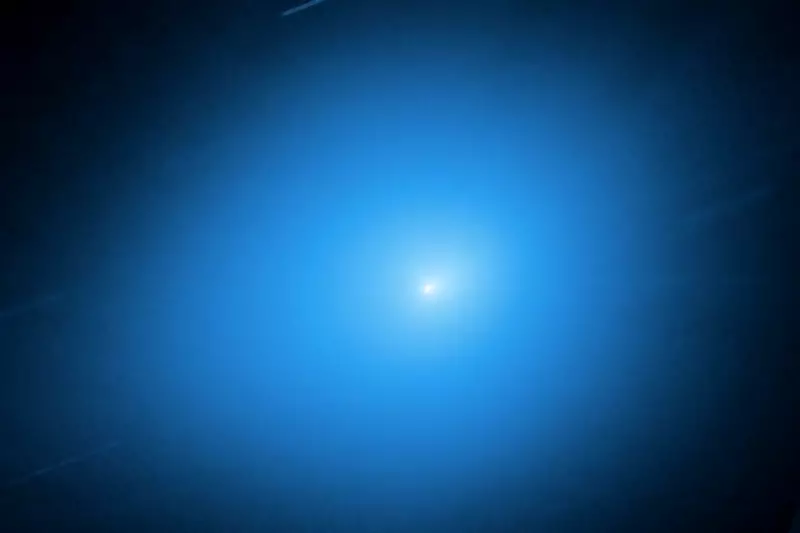
A recent study has traced the origins of interstellar comet 3I/Atlas, suggesting it likely came from a cold and isolated corner of the Milky Way. The comet, captured by the Hubble Space Telescope on November 30, 2025, was about 178 million miles (286 million kilometers) from Earth at the time. This discovery provides valuable insights into the composition and dynamics of objects from the outer reaches of our galaxy.
Research Findings
The study, conducted by an international team of astronomers, analyzed the comet's trajectory and chemical composition. They determined that 3I/Atlas originated from a region with very low temperatures, far from the galactic center. This area is believed to contain pristine material that has remained largely unchanged since the formation of the solar system.
Implications for Astronomy
Understanding the origins of interstellar comets helps scientists learn more about the formation of planetary systems and the distribution of organic compounds in the galaxy. The findings also highlight the importance of continued observation and study of such objects.

The research team used data from multiple observatories, including the Hubble Space Telescope, to track the comet's path and analyze its properties. Their work adds to the growing body of knowledge about interstellar objects and their role in cosmic evolution.