As the calendar flips to 2026, the mood surrounding the Vancouver Canucks is one of profound disappointment and uncertainty. Exactly one year ago, fans were grappling with frustration as the promise of a 2024 playoff run evaporated. Today, the situation has deteriorated further, leaving the franchise in a precarious position near the bottom of the NHL standings.
A Season in Disarray
The team has undergone a seismic shift, parting ways with their iconic captain, Quinn Hughes, a move that sent shockwaves through the league. Hughes, considered a top-four player in franchise history, was traded to the Minnesota Wild on December 12, 2025. In return, Vancouver received a package including top prospect Zeev Buium, centre Marco Rossi, winger Liam Öhgren, and a first-round draft pick.
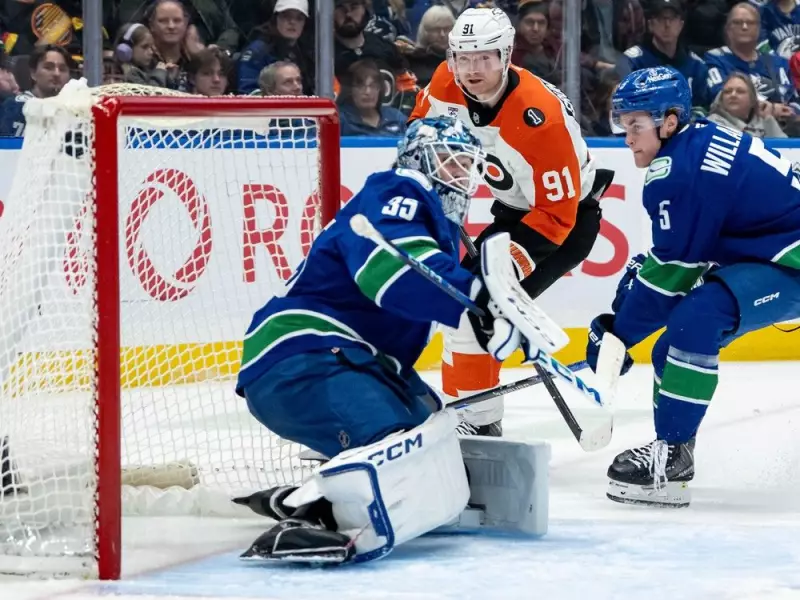
The on-ice results have been stark. Following a 6-3 loss to the Philadelphia Flyers at Rogers Arena on December 30, the Canucks' record sits at a dismal 16 wins, 20 losses, and 3 overtime losses for 35 points. They are just one point above last place in the entire NHL, having played two more games than the similarly struggling Winnipeg Jets.
The Home Ice Curse and Fading Hopes
One of the most puzzling aspects of the season has been the team's catastrophic performance at home. The loss to Philadelphia dropped their record at Rogers Arena to 4 wins, 12 losses, and 1 overtime loss—the worst home record in the league. The once-electric atmosphere has faded into what players and observers describe as a "mausoleum of losing."
Winger Drew O'Connor expressed the team's shared frustration. "I don't know. I wish I had an answer," he said after Tuesday's defeat. "We want to come in here and play well in front of our fans, and it's frustrating for them, it's frustrating for us when we don't."
Statistical models reflect the grim outlook. Stathletes gives the Canucks just a 1.8% chance of making the playoffs, while Money Puck is only slightly more optimistic at 10.5%. The consensus from analysts is clear: this should be treated as a lost season, with the focus squarely on the future.
Trade Rumours Swirl as Rebuild Begins
With playoff hopes nearly extinguished, attention turns to the March trade deadline and the team's rebuilding strategy. Several Canucks players are drawing significant interest from around the league.
The most prominent name is forward Kiefer Sherwood. Having scored 16 goals in 38 games, the pending unrestricted free agent has dramatically increased his trade value. The Athletic specifically linked him to the Vegas Golden Knights, noting his size, forechecking, and net-front presence as ideal attributes for their lineup. The Canucks, however, appear willing to be patient and wait for the best possible return closer to the deadline.
Other veterans are also in the rumour mill. Evander Kane remains a player other teams inquire about, while Elias Pettersson's name has resurfaced in speculative talks, often connected to the Carolina Hurricanes. The message from pundits is unanimous: Vancouver must be sellers, targeting draft picks and prospects rather than NHL-ready players in any deal.
The Athletic was blunt in its assessment: "Vancouver, in other words, needs to sell. It needs to sell aggressively. And target draft picks and futures in return, not NHL players."
A Glimpse at the Other Side
The Hughes trade has had a transformative effect on the Minnesota Wild. Since acquiring the superstar defenceman, the Wild's record improved to 24-10-6 for 54 points, with playoff chances soaring above 99%. In his first eight games with Minnesota, Hughes averaged over 27 minutes of ice time per game, and the team's offence jumped from 2.81 to 4.13 goals per game.
For the Canucks, the players acquired in the deal have shown promise, injecting some energy into the lineup. The return of a healthy Thatcher Demko in goal has also provided stability. However, the overarching reality is that the team lacks high-end talent and is years away from being a competitive force in the Western Conference.
As Vancouver heads into a January schedule featuring 10 home games, the questions are no longer about a playoff push, but about the scale and timeline of the rebuild ahead. The trade of Quinn Hughes marked the end of an era; the challenge now is to successfully build a new one from the ground up.