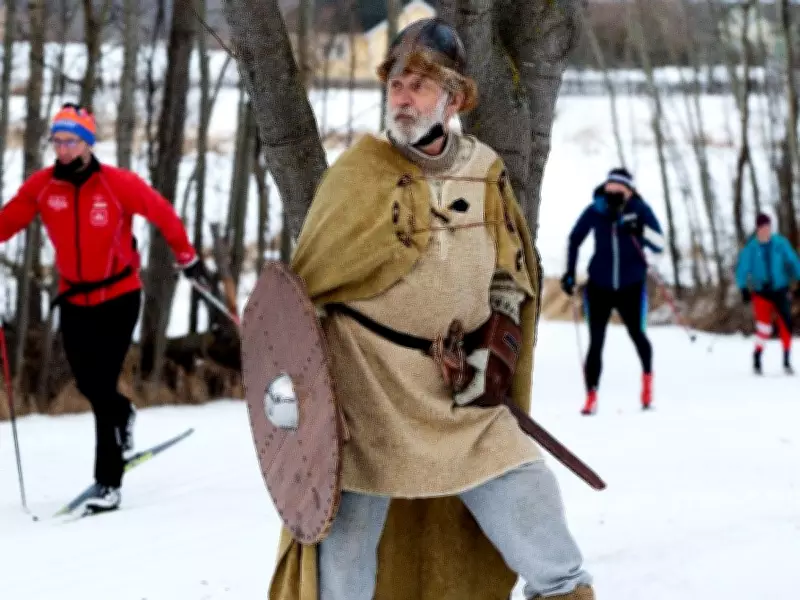
Unseasonable Spring Weather Forces Cancellation of Iconic Canadian Birkebeiner Ski Festival
One of Canada's premier cross country ski events, the Canadian Birkebeiner festival, has been abruptly cancelled just one week before its scheduled start due to abnormally warm early spring conditions. The 41st edition of this historic event, which typically draws over 1,000 participants to the Cooking Lake-Blackfoot Provincial Recreation Area east of Edmonton, fell victim to melting snow and rainfall that rendered the trails unusable.
From Promising Start to Devastating Finish
The festival had initially shown great promise with near-record snowfall in December creating ideal conditions for the event. Organizers had meticulously groomed trails throughout the provincial recreation area in preparation for what would have been the festival's 41st running. More than 1,000 cross country skiers had registered for the loppet, eager to follow in the footsteps of the legendary Norwegian Birkebeiners.
"We had huge amounts of snow, we were able to groom the course," explained Canadian Birkebeiner Society president Charles World. "We had a really firm base — everything was looking good. The week before we were out in crews snow farming. It looked very good on that Monday, we had every anticipation everything was going to work fine."

The Final Blow: Rainfall and Melting Snow
High temperatures had already begun deteriorating the once-perfect trails when rainfall last Sunday delivered what organizers described as the final blow. The precipitation not only melted significant amounts of snow but also made access roads impassable for volunteers and equipment.
"That rainfall was devastating — it took a lot of the snow away," World lamented. "There wasn't enough snow left to properly track set the trails. We had substantial sections of the course down to bare trail."
The organization explored alternatives but found the trail deterioration too severe and access roads too dangerous for volunteers to reach food stations safely. These combined factors left no choice but to cancel the main event.
Historical Context of Cancellations
This marks the sixth cancellation in the festival's history since its inception in 1985. Three of those cancellations have occurred in the past decade alone, including:
- Excess cold conditions in 2019
- The COVID-19 pandemic in 2021
- Poor snowfall from El Nino effects in 2024
The Birkebeiner Legacy
The festival commemorates a remarkable Norwegian act of heroism from 1206 during Norway's civil war. The Birkebeiner story celebrates infant crown prince Haakon Haakonsson, who was rescued by two warriors who carried him 55 kilometres to safety across two mountains on skis. Haakonsson would eventually grow up to end the war and unite Norway.
The warriors became known as Birkebeiners (or Birchbarkleggers) for tying birch bark around their legs, which served the dual purpose of keeping snow out and providing protection in battle. The term has since evolved into a colloquialism describing individuals who demonstrate strength in adversity and remain undaunted by hardships.
Festival Elements Continue Despite Cancellation
While the main ski events have been cancelled, organizers are maintaining some traditional elements of the festival. The society held a volunteer appreciation party to thank those who had prepared to offer their services and will proceed with their annual Viking feast as planned. Additionally, a family ski event remains scheduled for Gold Bar Park at 11 a.m. on Sunday, weather permitting.
The cancellation represents a significant disappointment for the cross country skiing community and highlights the increasing challenges outdoor winter events face amid changing weather patterns and climate variability.