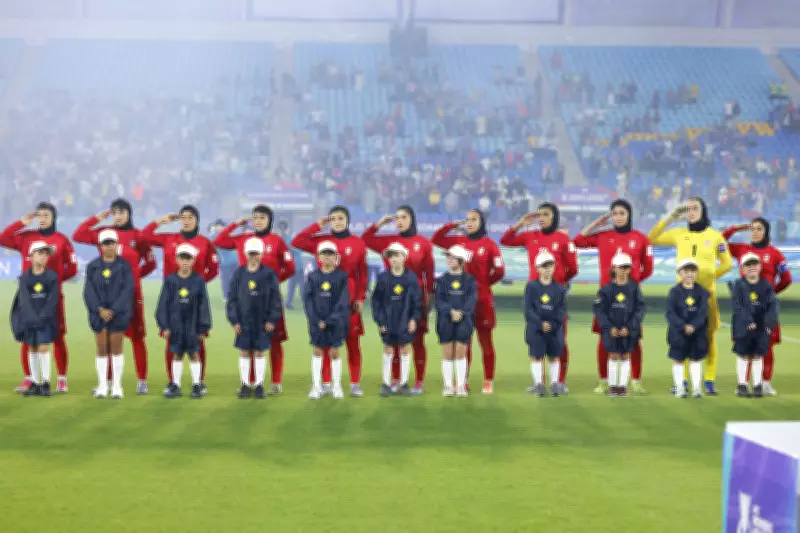
Australian Government Extends Humanitarian Support to Iranian Women's Soccer Players
In a significant humanitarian gesture, the Australian government has granted visas to five Iranian women's soccer players, enabling them to pursue their athletic careers and personal lives in a secure environment. This decision underscores Australia's commitment to supporting individuals facing challenging circumstances in their home countries.
Details of the Humanitarian Visa Grant
The visas were issued under humanitarian provisions, which are designed to protect individuals who may be at risk due to political, social, or personal factors. While specific reasons for the players' applications have not been publicly disclosed, such visas typically address concerns related to safety, freedom, and opportunity. The players, whose identities have been kept private for security reasons, are now able to reside in Australia, where they can participate in soccer programs and integrate into the local community.
This move comes amid ongoing global attention to women's rights and sports diplomacy. Iran has faced international scrutiny over restrictions on women's participation in sports and other public activities, making this visa grant a poignant example of international solidarity. The Australian government's action highlights how nations can use immigration policies to support vulnerable athletes and promote gender equality in sports.

Impact on Women's Soccer and International Relations
The granting of these visas is expected to have positive repercussions for women's soccer in Australia and beyond. By welcoming these players, Australia not only enriches its own soccer landscape with diverse talent but also sends a powerful message about inclusivity and human rights. This decision may inspire other countries to consider similar measures for athletes from regions where women face barriers in sports.
Furthermore, this development could strengthen diplomatic ties between Australia and Iran, albeit indirectly, by fostering people-to-people connections through sports. It also aligns with broader efforts by international organizations to use sports as a tool for social change and empowerment. The players' ability to compete and train in a supportive environment may lead to future collaborations and exchanges in women's soccer.
Broader Context and Future Prospects
This incident is part of a larger trend where governments intervene to assist athletes in precarious situations. For instance, in recent years, there have been cases of refugees and asylum seekers finding new opportunities through sports programs. The Australian government's decision reflects a growing recognition of sports as a vehicle for humanitarian aid and social integration.
Looking ahead, the five Iranian players are poised to contribute to Australian soccer clubs or leagues, potentially raising the profile of women's soccer in the country. Their presence could also inspire other Iranian women athletes to seek similar opportunities abroad, fostering a global network of support. As they settle into their new lives, their stories may highlight the transformative power of sports in overcoming adversity and building bridges across cultures.
In conclusion, the humanitarian visas granted by Australia represent a meaningful step toward protecting and empowering women in sports. This action not only benefits the individual players but also contributes to the ongoing global dialogue on human rights and athletic freedom.